
mizuhana
2021
since
the beginning | the conception
"Preserving Japan's beauty a 100 years beyond – through the art of sake brewing" is the mission that guides us at Yucho Shuzo. Through "mizuhana", we seek to explore the history of Nara's sake to an unprecedented depth, to learn, to understand and to carry the legacy forward to future generations.
At the same time, we continue to also seek out new possibilities in the uncharted future of sake.
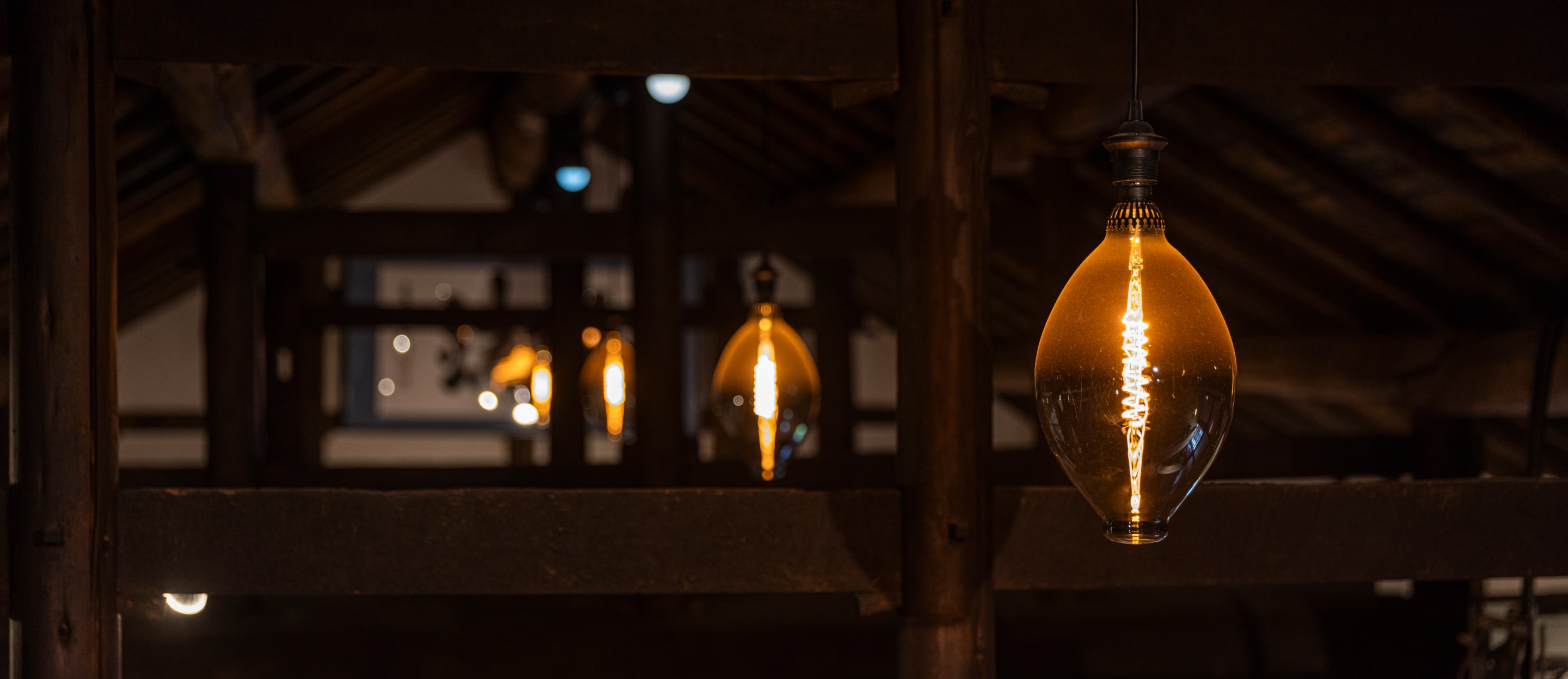
the taste of mizuhana
"To revive forgotten brewing techniques once practiced in ancient Nara through the study of historical documents."
This is the brand message of "mizuhana".
We aspire to create a sake that allows one to experience the profound depth of sake's history, while also enjoying a richly layered taste that permeates the body and resonates deeply within.
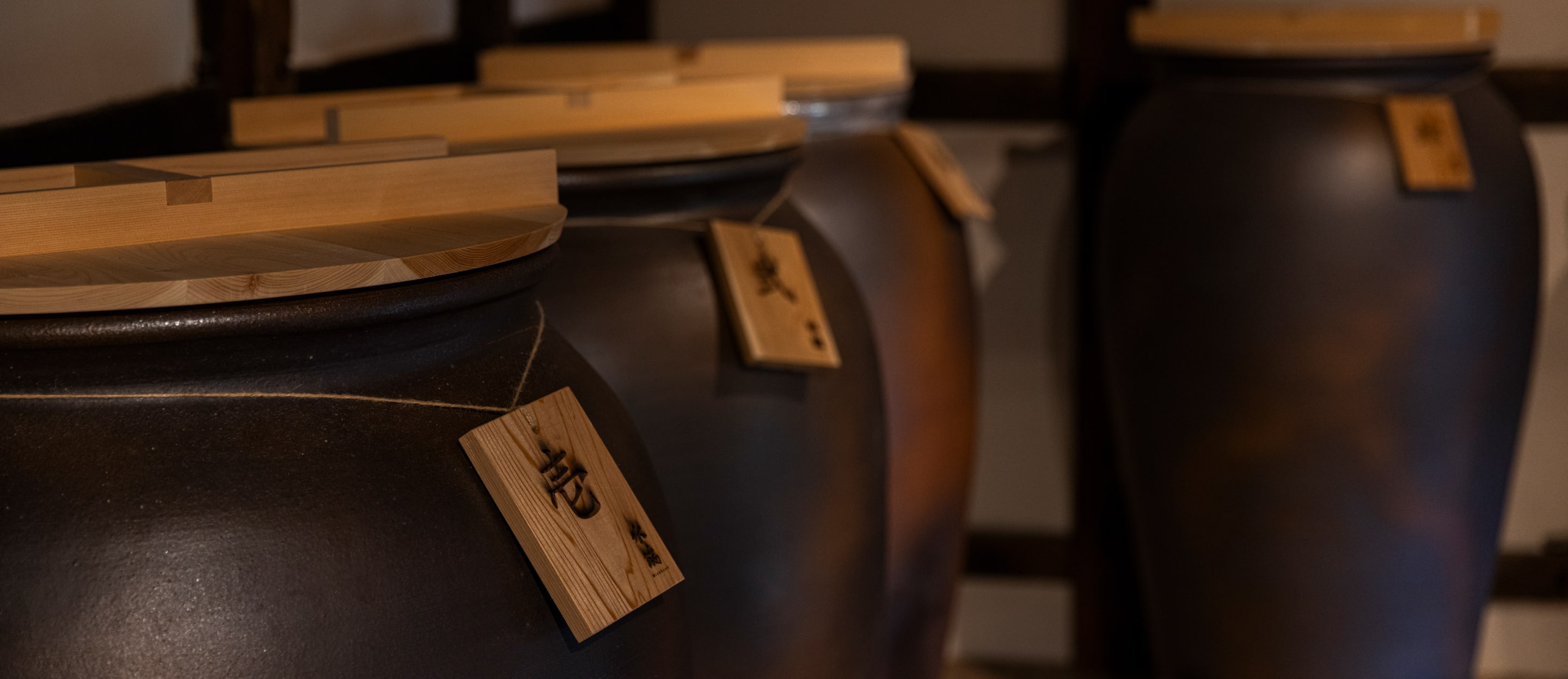
the commitments of mizuhana
mizuhana shall be brewed at its dedicated brewery, the Kyōhō-gura.
mizuhana shall be brewed in large kame (earthenware pots).
mizuhana shall be brewed using techniques of the past, guided by historical texts.
mizuhanamizuhana series
mizuhana 1355
-
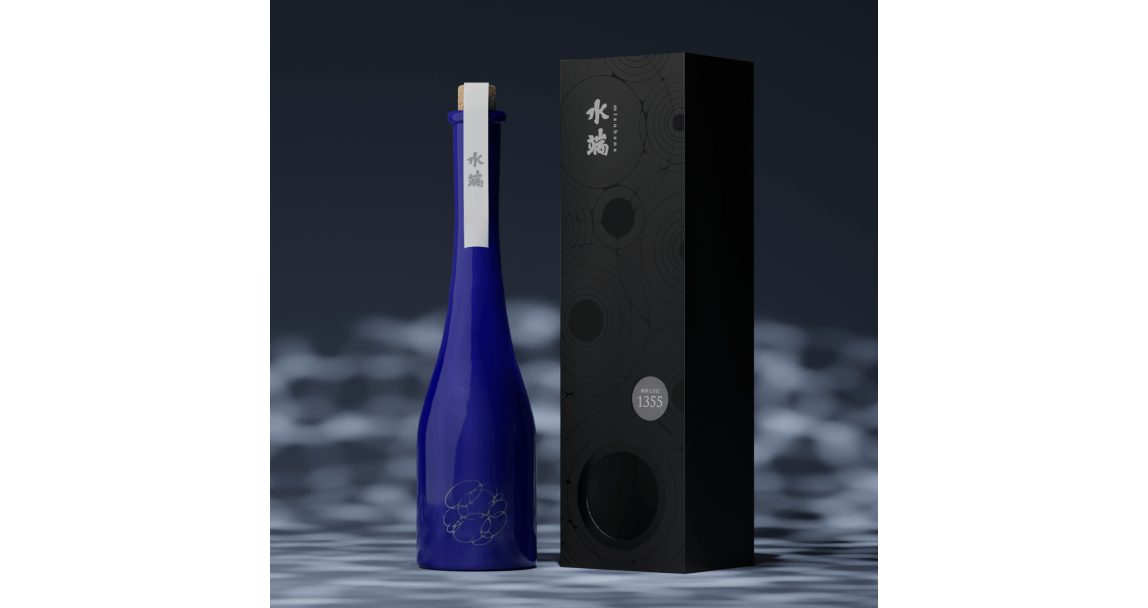
mizuhana 1355
mizuhana 1355
Reference classical textGoshu no Nikki (1355)
Brewing periodSummer (high-temperature fermentation)
Mashing methodZero-step mashing
RiceAkitsuho (from Nara Prefecture)
Brewed in summer with zero-step mashing following the methods of Bodaisan Shōryakuji Temple, recorded in the Goshu no Nikki.
-
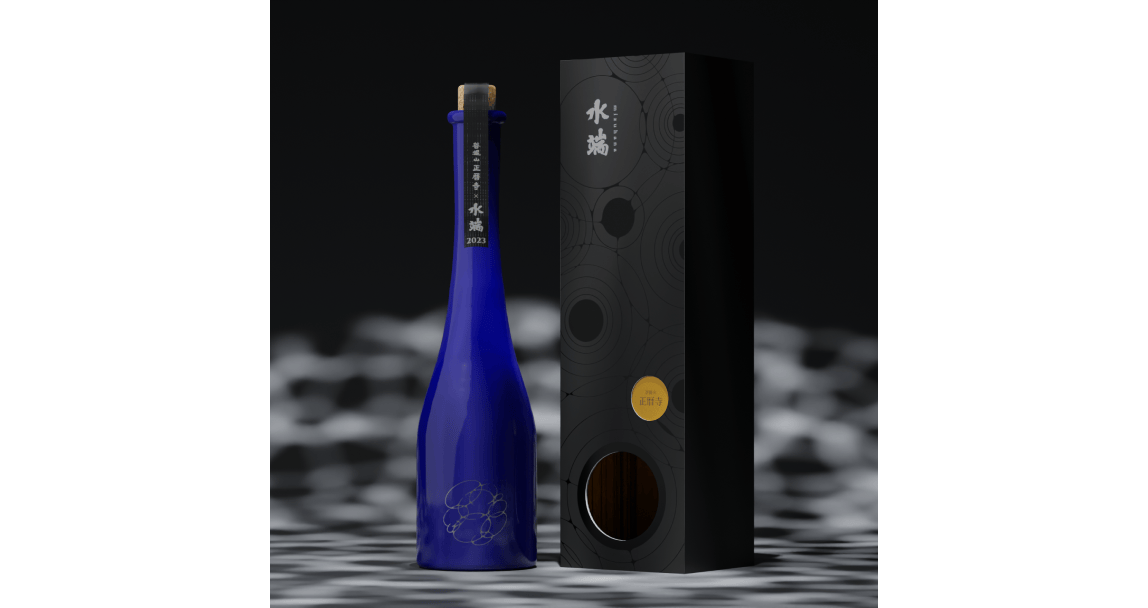
mizuhana 1355 ver. bodaisan shoryakuji
mizuhana 1355 ver. bodaisan shoryakuji
Reference classical textGoshu no Nikki (1355)
Brewing periodSummer (high-temperature fermentation)
Mashing methodZero-step mashing
RiceTsuyuhakaze (from Bodaisan Shōryakuji Temple)
A special edition of mizuhana 1355, brewed in collaboration with Bodaisan Shōryakuji Temple.
mizuhana 1568
-
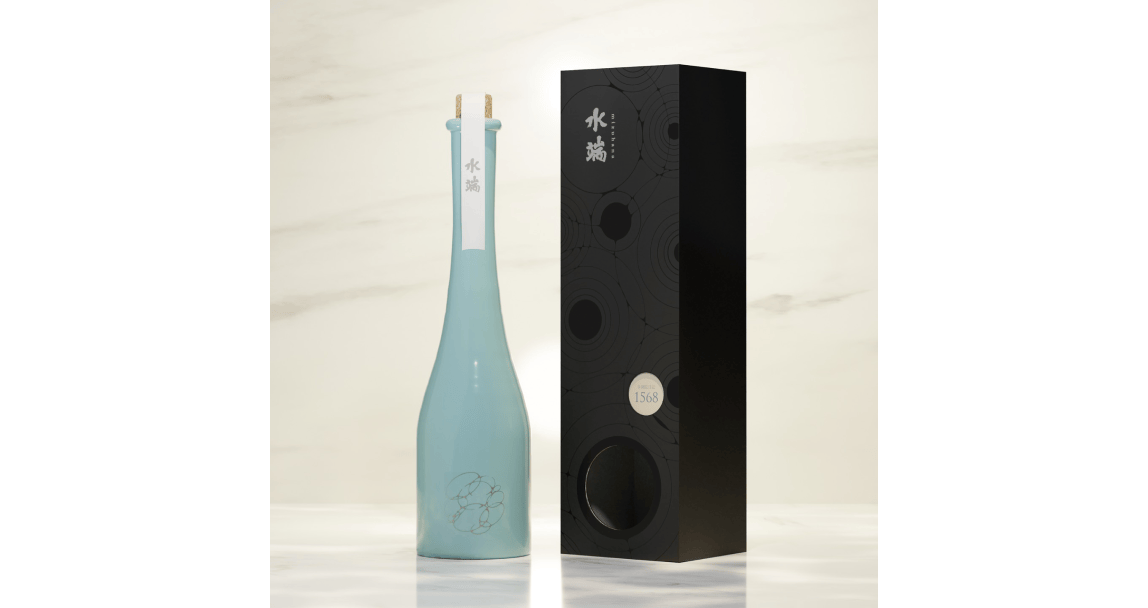
mizuhana 1568
mizuhana 1568
Reference classical textKōfukuji Tamonin Nikki (1568)
Brewing periodWinter (low-temperature fermentation)
Mashing methodThree-step mashing
RiceAkitsuho (from Nara Prefecture)
Brewed in winter with three-step mashing following the methods of Kōfukuji Temple, recorded in the Tamonin Nikki.
-
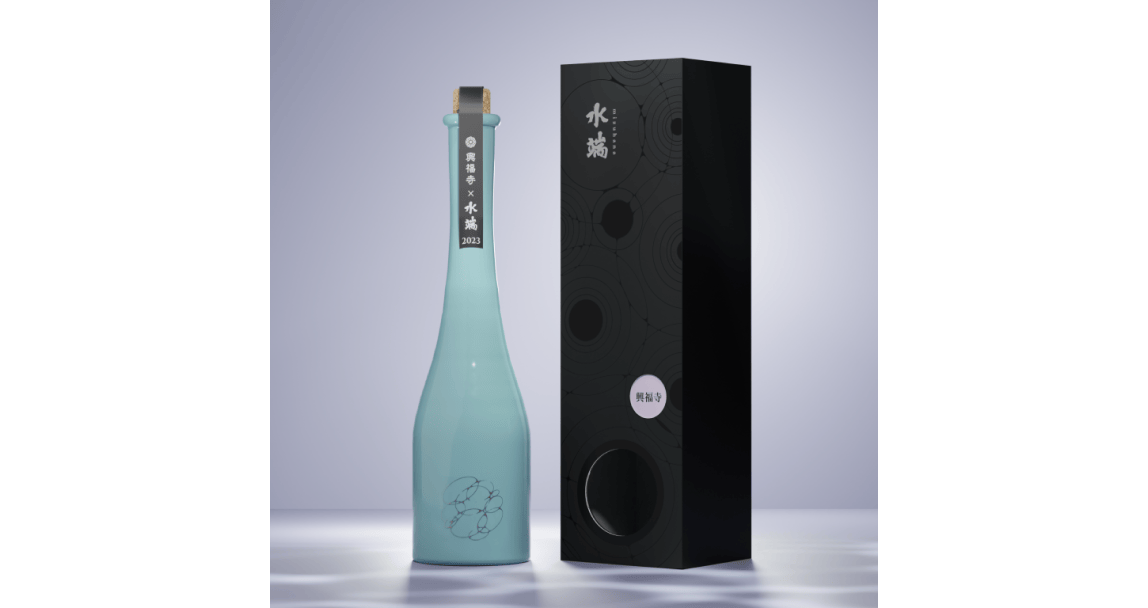
mizuhana 1568 ver. koufukuji
mizuhana 1568 ver. koufukuji
Reference classical textKōfukuji Tamonin Nikki (1568)
Brewing periodWinter (low-temperature fermentation)
Mashing methodThree-step mashing
RiceTsuyuhakaze (from Bodaisan Shōryakuji Temple)
Brewing waterPartially utilizes water from a source connected to Kōfukuji Temple
A special edition of mizuhana 1568, brewed in collaboration with Kōfukuji Temple.
mizuhana 1569
-
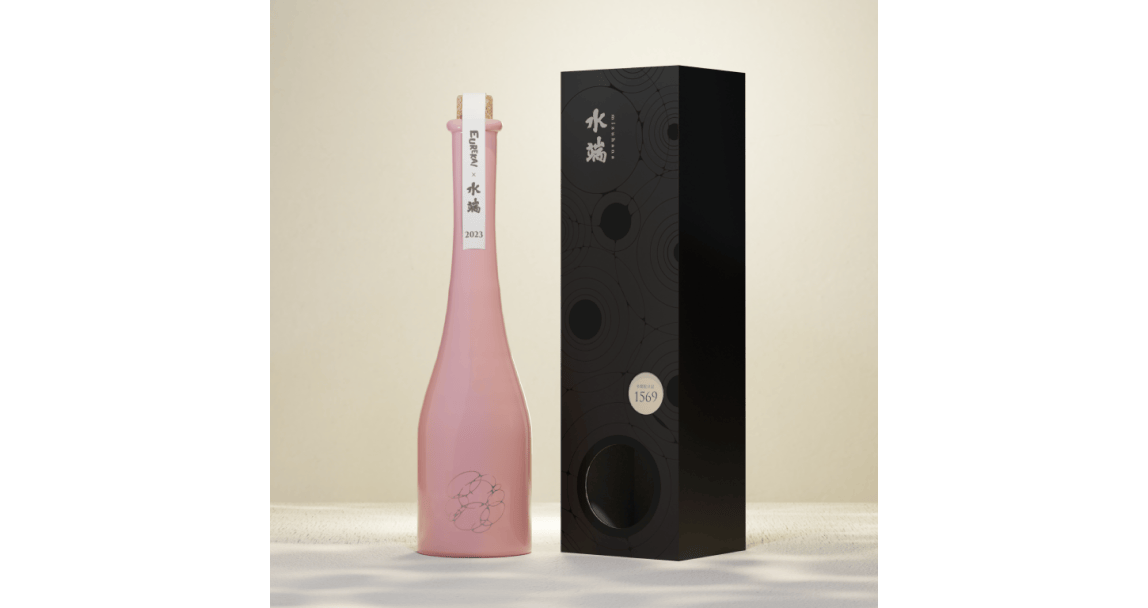
mizuhana 1569
mizuhana 1569
Reference classical textKōfukuji Tamonin Nikki (1569)
Brewing periodAutumn
Mashing methodTwo-step mashing
RiceAkitsuho (from Nara Prefecture)
Brewed with two-step mashing following the methods of Kōfukuji Temple, recorded in the Tamonin Nikki.
mizuhana 711
-
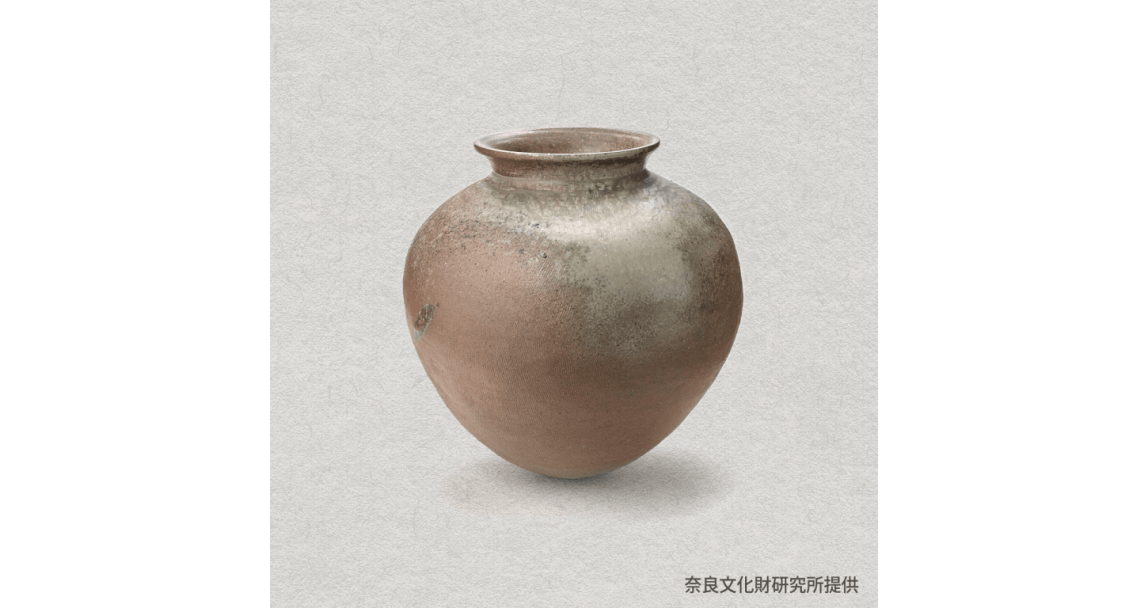
mizuhana 711
mizuhana 711
Reference classical textWooden tablets excavated from the site of Prince Nagaya's residence
RiceAkitsuho (from Nara Prefecture), red rice (ancient rice varietal)
A cultural heritage protection and public outreach initiative conducted in collaboration with the National Institutes for Cultural Heritage, Nara National Research Institute for Cultural Properties:
Prince Nagaya sake-brewing project using recipes recorded on wooden tablets (mokkan) and reconstructed Sue ware.
Image courtesy of the Nara National Research Institute for Cultural Properties.