
Our Guiding Ethos
PhilosophyOur Guiding Ethos
MissionPreserving Japan's beauty a 100 years beyond
– through the art of sake brewing
Conveying the essence, the landscapes, and the spirit of Japan
to the next generation – this is our mission.
In these times of change, Japan's role in the world continues to evolve.
Through our continued dedication to sake, we will share the best of Japan, Nara, and Gose, so that we may continue to live with a sense of pride in who we are and where we come from.
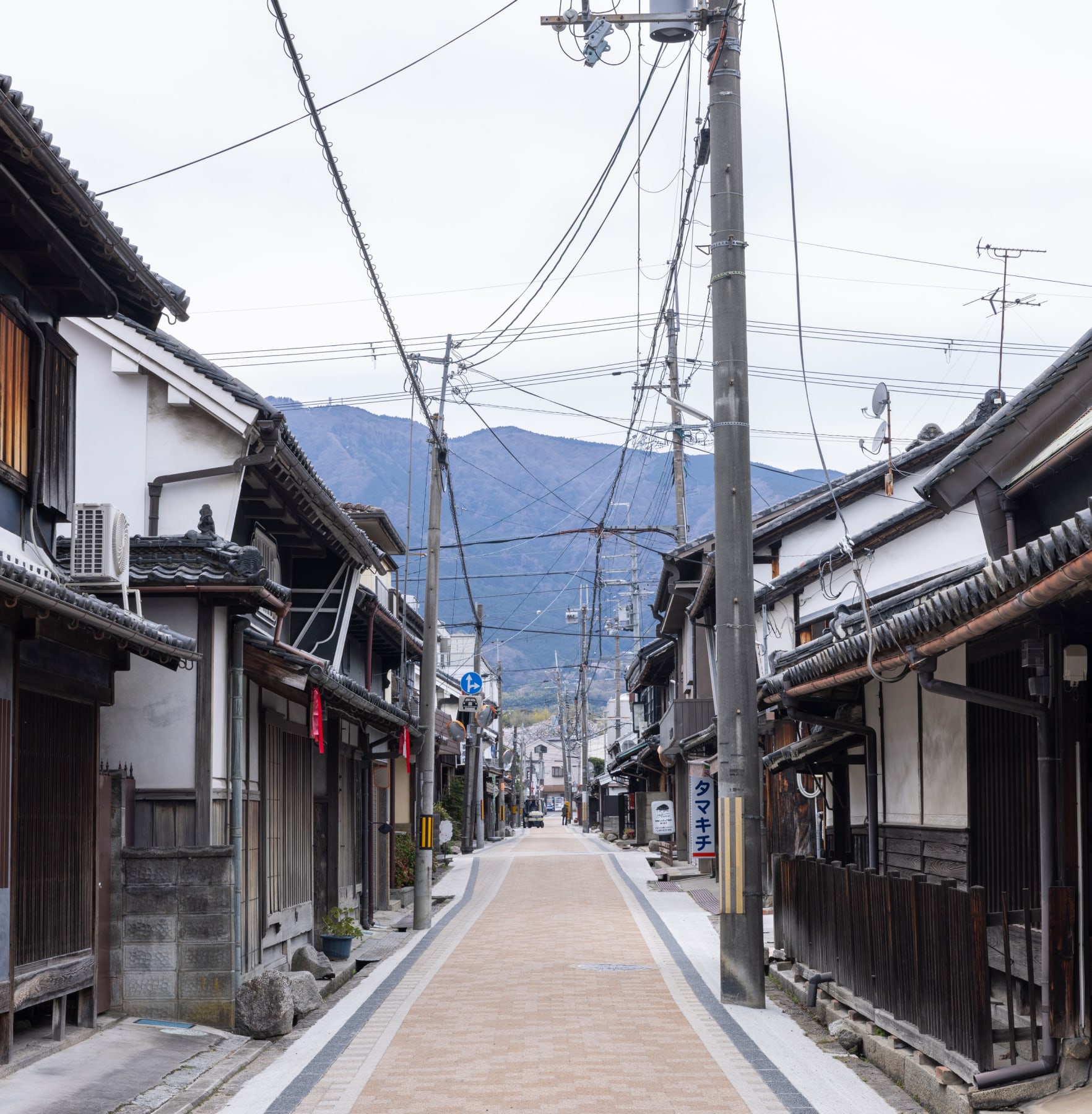
VisionTo imbue every drop of sake with Nara's history, landscape, and soul, and the passion of the brewers
The rich history and beautiful landscapes of Nara, and the passion of our brewers – we aspire to craft sake that concentrates all of this into each and every drop, and to convey the charm of Nara to the fullest.
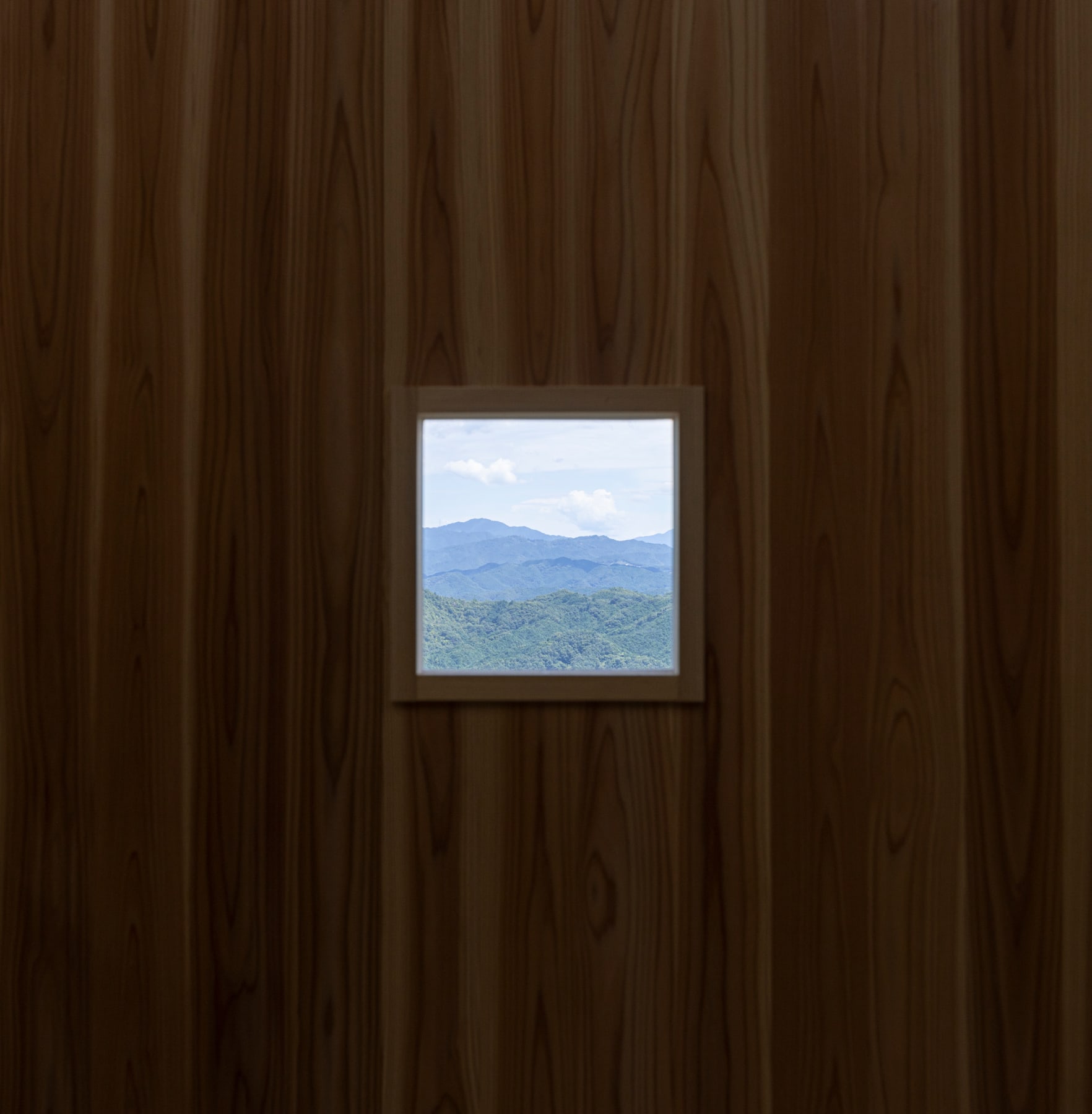
Values• Challenge
• Exploration
• Coexistence
Perpetually exploring regional, technical, and historical factors that shape our sake brewing, we work as one team to deepen our understanding, and challenge ourselves to new forms of sake brewing.
-
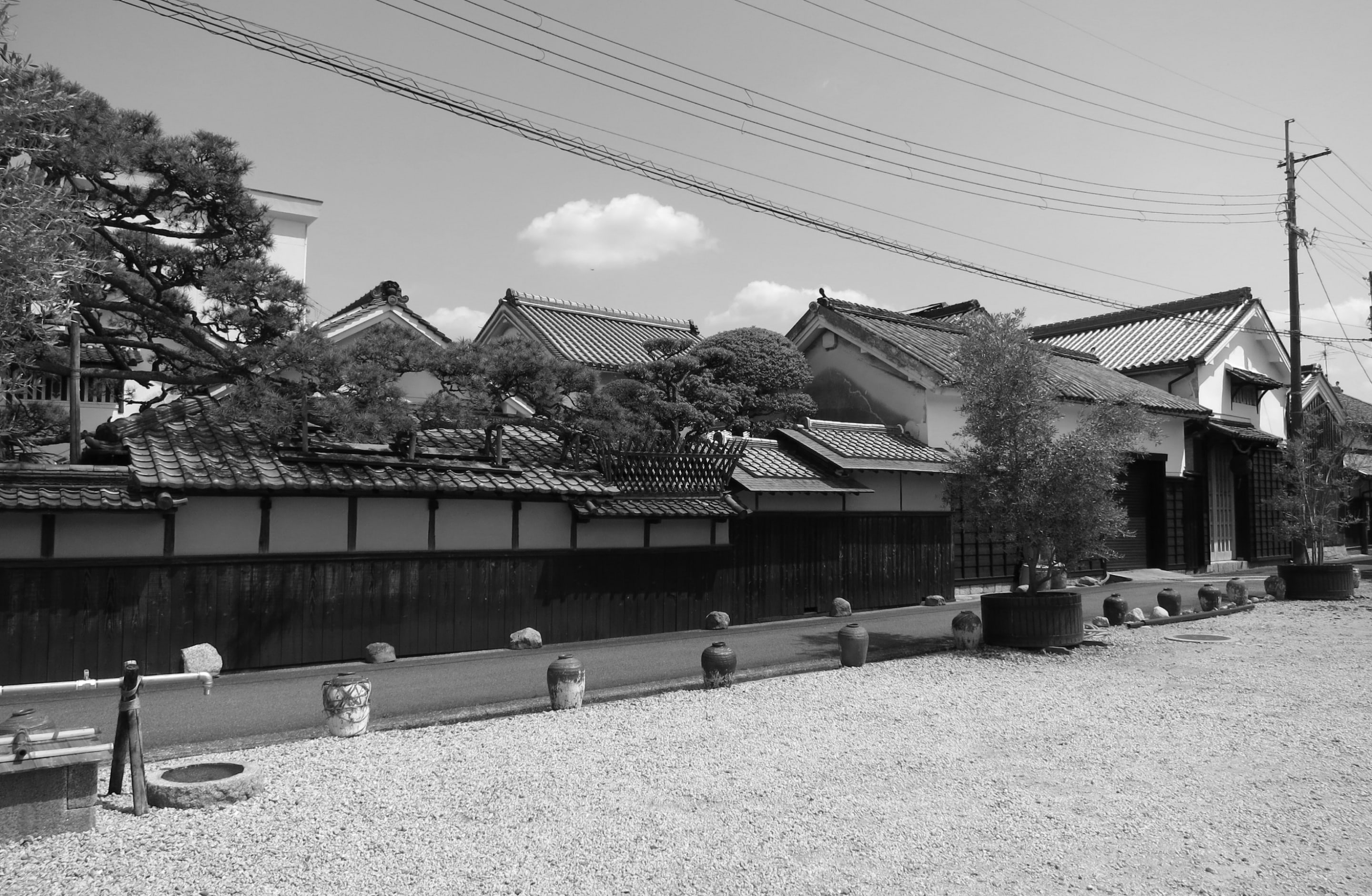
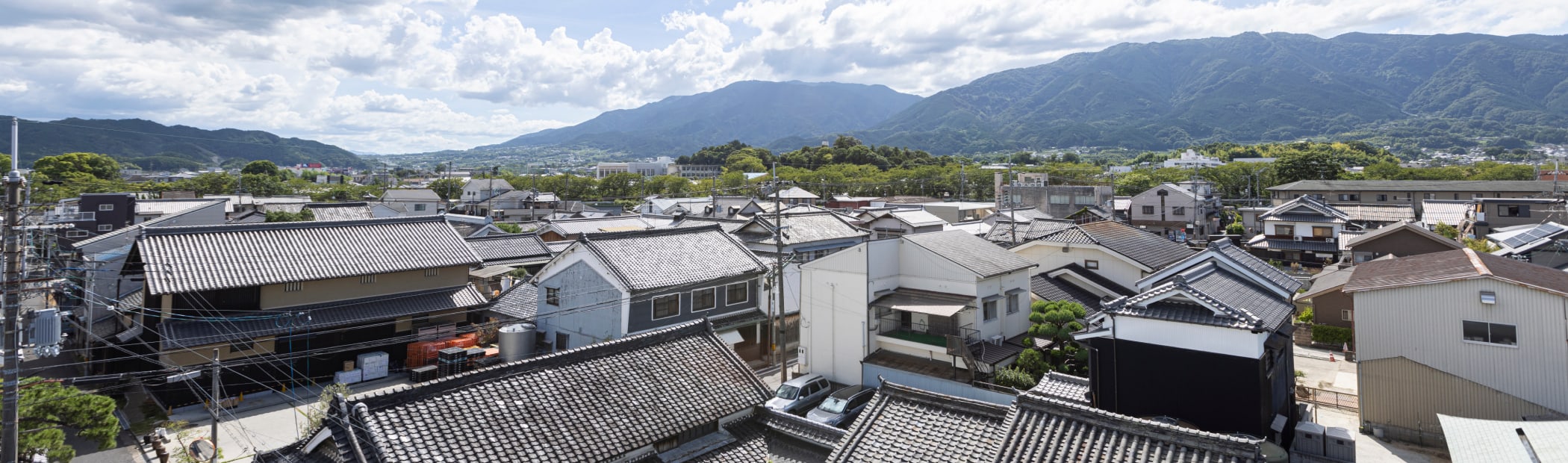
Yucho Shuzo (Yucho Sake Brewery) is based in the Gose-machi area of Gose City which is at the southern edge of the Nara Basin in the northwestern part of Nara Prefecture. Visible to the west of the brewery, the mountain range of Mt. Nijō, Mt. Katsuragi, and Mt. Kongō (from north to south) forms a natural border between Nara and Osaka, the foothills of which are known for producing high-quality rice.
Gose-machi is an area that retains its historical streetscape of the Edo period, a time when the main industries of the area were oil refining, pharmaceuticals, sake brewing, and indigo dyeing. Our trade name "Yucho" comes from our beginnings as an oil mill that operated under the name "Aburaya Chobei". ("Yucho" is a contraction of "Aburaya Chobei".)
Although there are indications of sake production in the late 1600s, we have designated our official founding year as 1719 based on old records showing transactions for sake brewing tools dated 1719 (Kyōhō 4). Since then, we have been brewing sake for over 300 years.
In more recent times, with the rapid expansion in sake consumption nationwide from the 1970s through the 1990s, we shifted toward large-scale production. Much of our production during this time was aimed at supplying major sake breweries and we had no presence in the local market. However, the twelfth‐generation Chobei Yamamoto recognized that without change, no matter how delicious the sake we could brew was, the local community would never have the chance to truly enjoy it. He set out to ensure that freshly pressed sake, normally only available to brewery workers, could reach the local people.
We began crafting an unfiltered, undiluted, unpasteurized sake ("muroka, mukasui namazake") made from Akitsuho rice grown locally near the Kaze no Mori Pass in Gose, and 1998 saw the birth of our new sake "Kaze no Mori". In the 20 years since, "Kaze no Mori" has won the affection of the local community and endures to this day.
Our belief is that a real local sake is one that is loved and respected by the local community, which is why, in 2019, on the occasion of the 300th anniversary of our founding, we set forth our mission of "Preserving Japan's beauty a 100 years beyond – through the art of sake brewing".
Recent timeline of the brewery
2018: Opened the "Yamato Distillery" and began distilling KIKKA GIN, a craft gin infused with Nara's terroir and history.2021: Began brewing "mizuhana" at the "Kyōhō-gura", our brewhouse dedicated to kamejikomi (brewing in earthenware pots). Employing the kamejikomi method, we dive deeper than ever before into Nara's sake-brewing heritage. Combining ancient techniques learned here with modern brewing techniques only possible now, we hope to take the brewing of "Kaze no Mori" at our "Gose-machi-gura" to even greater heights.
2024: Established the "Sanroku-gura" (S Kaze no Mori), a brewhouse amid the terraced rice fields at the foot of Mt. Katsuragi, with the goal of bridging the satoyama* to the next century.
*Satoyama are countryside communities in Japan that live in sustainable harmony with nearby forests and mountains.
At each of our three distinctive kura (brewhouses), we strive to craft truly one-of-a-kind sake, and through the art and science of brewing, to carry the beauty of Japan into the future – 100 years and beyond.
Exploring temple brewing (mizuhana / Kyōhō-gura)
Leveraging techniques only possible today (Kaze no Mori / Gose-machi-gura)
Bridging the satoyama to the next century (S Kaze no Mori / Sanroku-gura)
Crafting gin infused with the terroir of Nara (KIKKA GIN / Yamato Distillery)The Journey of Yucho Shuzo
-
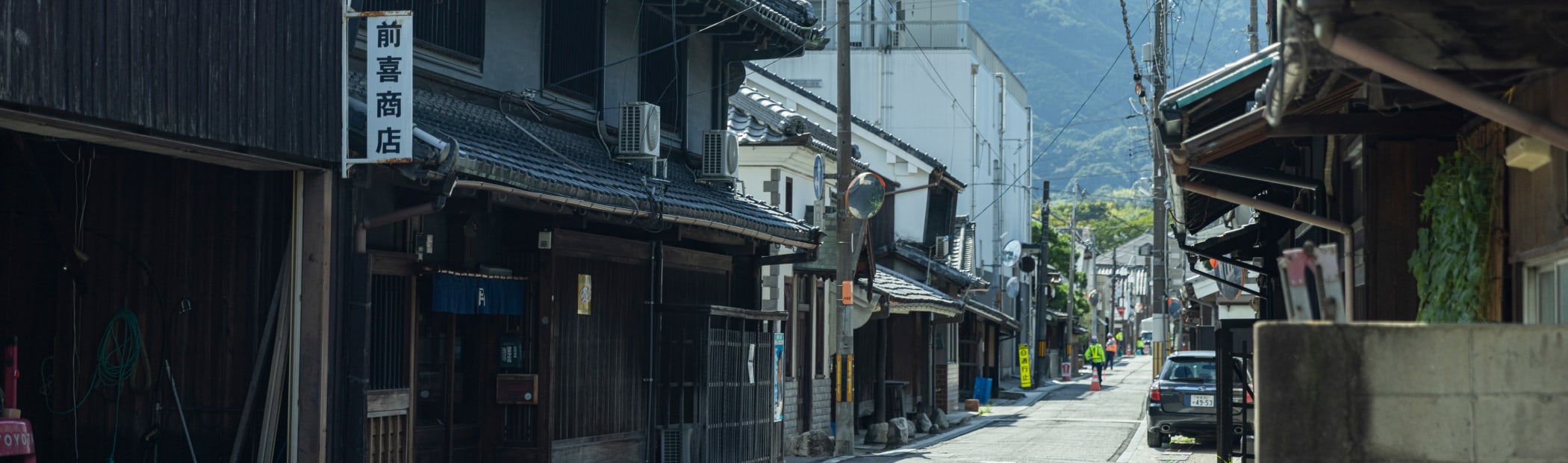
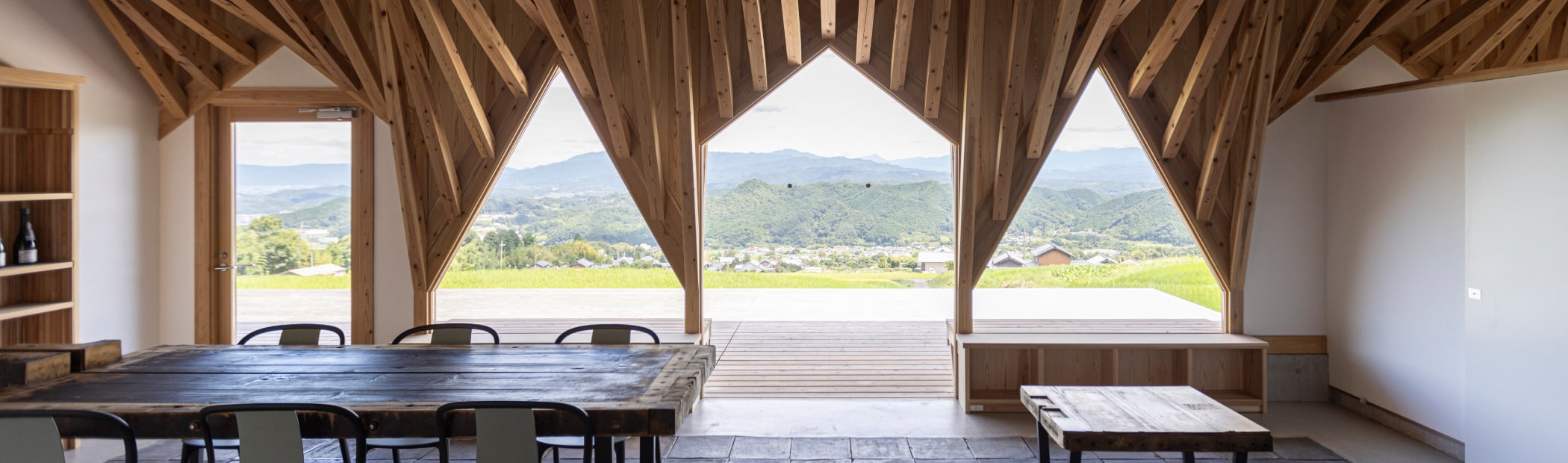
Yucho Shuzo is situated in Nara Prefecture, in the old part of Gose City, "Gose-machi". During the Edo period it was one of the foremost commercial cities in Yamato Province, and much of its Edo-period streetscape remains almost entirely intact. The "Gose-machi Kenchi Ezu" map of 1742, which documents the town, lines up perfectly with modern maps.
While Gose-machi was considered a machi (town) in Edo-period Yamato, at the time such machi were in fact very rare outside of castle towns.
Gose-machi is located at the southern edge of the Yamato Basin, at the crossroads of highways that radiate outward in all directions. Beyond the mountain pass to the west are Kawachi and Sakai, to the north and northeast are Nara, Osaka and the Ise Kaidō, while travelling south will take you to Wakayama, and southeast to Yoshino. This locational advantage is thought to have drawn people and wealth here since ancient times.
Excavations at the Kamotsuba site after World War II revealed that during the Yayoi period, more than 2,000 years ago, a large village was built around the Kamotsuba Shrine – the shrine of the guardian deity of Gose-machi. It is said that the powerful ancient clan, "Kamo", lived there, and En no Gyōja, the Asuka-period ascetic who created Shugendō, is believed to have come from this clan.
Although the exact layout of the area in the medieval period is not clearly understood due to limited research, it is known that in 1569, a monk from Kōfuku-ji in Nara city recorded an entry mentioning "Gose-shō" (manorial estate of Gose) in his diary. Even today, moats still remain around the town, suggesting that it was a typical medieval moated settlement.
It is not hard to imagine that for over 2,000 years people have been building their lives in this area. The present layout of the area was established some 400 years ago, in the early Edo period.
Gose-machi was a planned city built under the rule of the Kuwayama clan, who came to rule the Gose Domain after siding with Tokugawa Ieyasu's Eastern Army at the Battle of Sekigahara. The grid-pattern streets still retain their original widths, and the sewari drains (water channels) behind the houses, and the encircling moat, still retain their original stone walls.
The craftsmanship behind the infrastructure that has continued to withstand the demands of modern life is truly remarkable.
In addition to rice, the surrounding fields produced cotton and rapeseed. A popular cotton cloth called Yamato-gasuri was dyed and woven, oil for lamps was squeezed from rapeseed, and oil cake was used as fertilizer. Medicinal herb businesses, said to have roots in Shugendō, also flourished. Commerce developed as commodity crops and surrounding goods accumulated.
Of the houses included in the 280-year-old kenchi ezu map, only about three, including Yucho Shuzo, can be confirmed as still occupying the same location today. In Honmachi, only Yucho Shuzo remains.
(From interview with Mr. Shōichirō Nakai.)
The History of Gose-machi
-
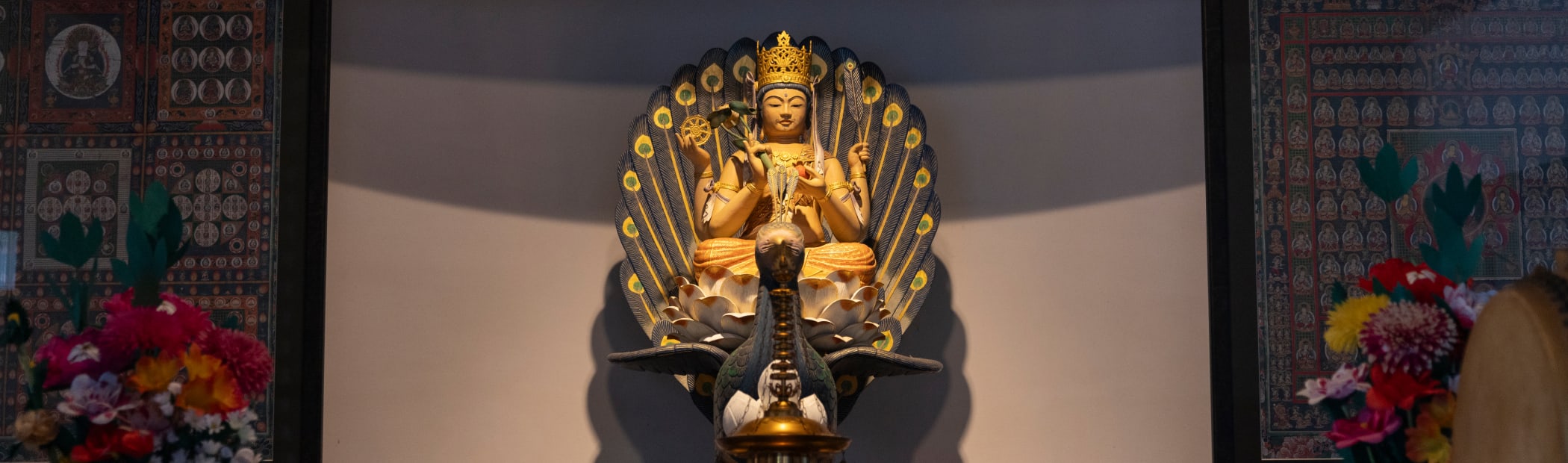
Nara has long been intimately linked with the history of Japanese sake and has played a central role in its development. Ōmiwa Shrine, where the deity of sake brewing, Ōmononushi, is enshrined, has long been a centre of worship. "Temple brewing" at the large Nara temples of Bodaisan Shoryakuji Temple and Kōfuku-ji, said to be the birthplace of Japanese sake, brought about substantial advancements in brewing techniques.
Brewing involved using polished white rice and then pressing the moromi (mash) to separate the kasu (sake lees) from the refined sake as well as end the fermentation stage. Pasteurization, which deactivates enzymes, helped enhance product stability. Moreover, the transition from the use of kame (earthenware pots) to kioke (wooden barrels) for brewing, by the end of the Muromachi period, led to significant increases in productivity.
While there is no mention of who invented or when the techniques of seimai (rice polishing), jōsō (pressing), hiire (pasteurization), shubo (sake starter), and dan-jikomi (multi-stage mashing) were discovered during this period, since they are referenced in various documents from the Muromachi period, it can be inferred that the brewers in this period must have engaged in repeated trial and error toward their establishment.
It can be said that Nara is the "birthplace of sake in Japan" because it is evident from various documents that it is here where older styles of sake, such as doburoku, evolved into a form more readily distributable in barrels: the highly stable and appealing refined sake morohaku.
Similar to how Japanese sake evolved through medieval "temple brewing", in Europe, beer and wine brewing techniques were established in churches and monasteries and were introduced to the world along with Christianity. It is fascinating that, while sake and wine are made from different local ingredients and originated in vastly different places, they both trace their origins to medieval religious institutions.
Looking to the future, we believe that for Japanese sake to evolve into a beverage enjoyed worldwide, it is necessary for modern brewers to reflect on the history of sake, understand its origins, and communicate its cultural aspects to people around the world.
Sake Brewing in Nara
-
What kind of sake do we aim to create with "Kaze no Mori"?
In terms of taste, there's no complicated backstory or abstruse theory.
We aim to make a sake that, after one sip makes one think "I want to drink this again", a sake that reshapes people's perceptions and serves as the perfect introduction to sake.Nothing would make us happier than if "Kaze no Mori" sparked a person's passion for Japanese sake. However, of course the way we create this taste is not without reason or significance.
Our mission at Yucho Shuzo is "Preserving Japan's beauty a 100 years beyond – through the art of sake brewing". We are dedicated to investigating and exploring Nara's sake history to greater depth than anyone else.
In the making of "mizuhana", we use traditional techniques, and then incorporate techniques like Bodaimoto and soyashi-mizu, and other such knowledge and insights we gain, into the brewing of "Kaze no Mori".
At the same time, we embrace cutting-edge techniques only possible today: proprietary fermentation tanks, novel raw-material processing methods, and more. By layering old and new techniques on top of the ingredients, and their fascinating attributes, in a mille-feuille style of multi-layering, we create the inimitable taste of "Kaze no Mori".
The World of Kaze no Mori
-
A commitment to making unfiltered namazake.
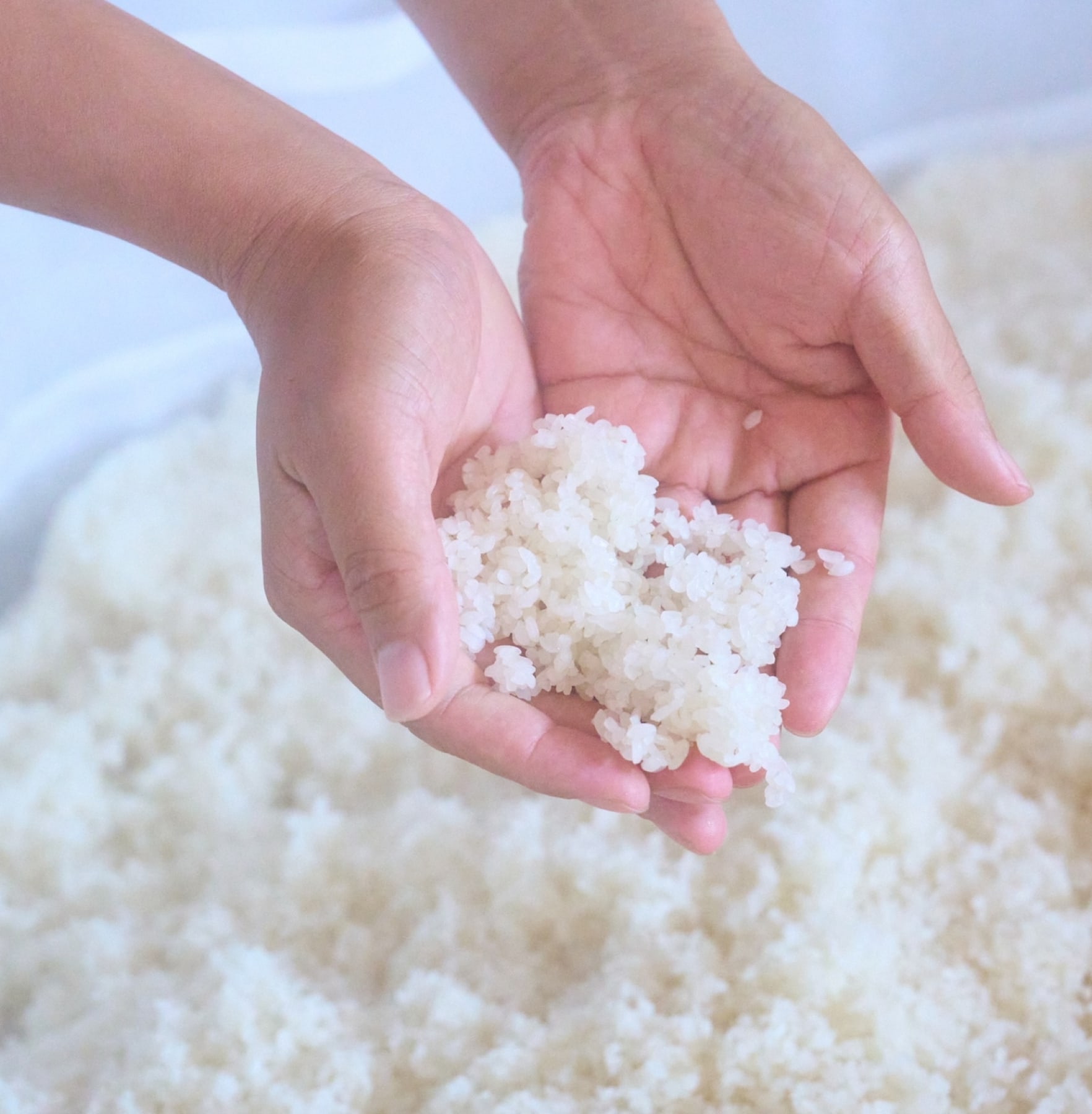
Bringing the taste of freshly pressed sake to our customers is an important commitment of ours and we have for over 25 years specialized in unfiltered namazake – eschewing filtration and water addition after pressing. The rich, smooth, thick texture and subtle changes in flavour over time are the greatest attractions of namazake. We remain committed to crafting only unfiltered, unpasteurized namazake.
One bottle of Kaze no Mori – two taste experiences.
Immediately after opening, naturally dissolved carbon dioxide from the mash fermentation may remain in the sake. When you take a sip you may enjoy a gentle sparkling – a soft, popping freshness.Enjoyed over time, the natural carbon dioxide gas felt immediately after opening the bottle dissipates over days, allowing you to enjoy the essential taste of Kaze no Mori.
The rice imparts rich flavours, umami and sweetness, while the yeast contributes fruit-like aromas and acidity. The carbon dioxide gas contained is merely a by-product of fermentation. In fact, it can be difficult to appreciate the true taste of the Kaze no Mori while the carbon dioxide content is high. We invite you to take your time so you may also enjoy the flavours after the carbon dioxide has dissipated.
Due to limited production, Kaze no Mori is only available in 720 ml bottles in hopes of reaching as many customers as possible. We thank you for your understanding.
The Promises of Kaze no Mori
-
Yucho Shuzo has 13 full-time staff, as of the time of writing (2024), and fewer than 20 staff in total. We are privileged to have a team of people from all over the country who are passionate about sake brewing, and we dedicate ourselves to sake production every day.
More than ever before, we aspire to create unique sake brews that draw on our combined human wisdom. We continue to explore old techniques and take on new ones, layering them upon the ingredients and their fascinating attributes.
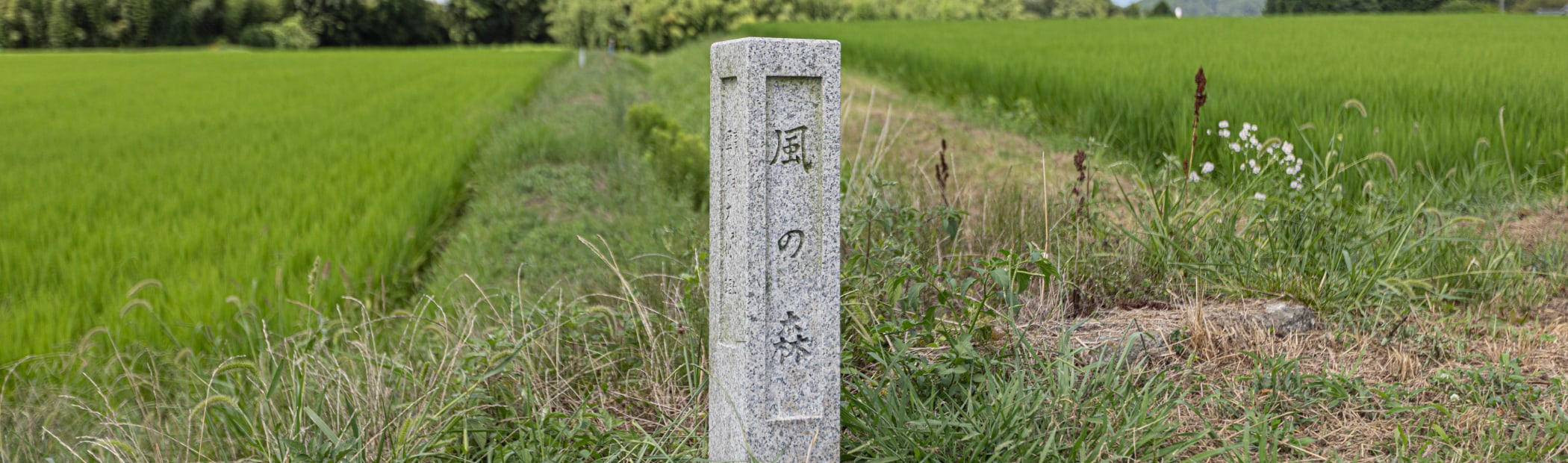
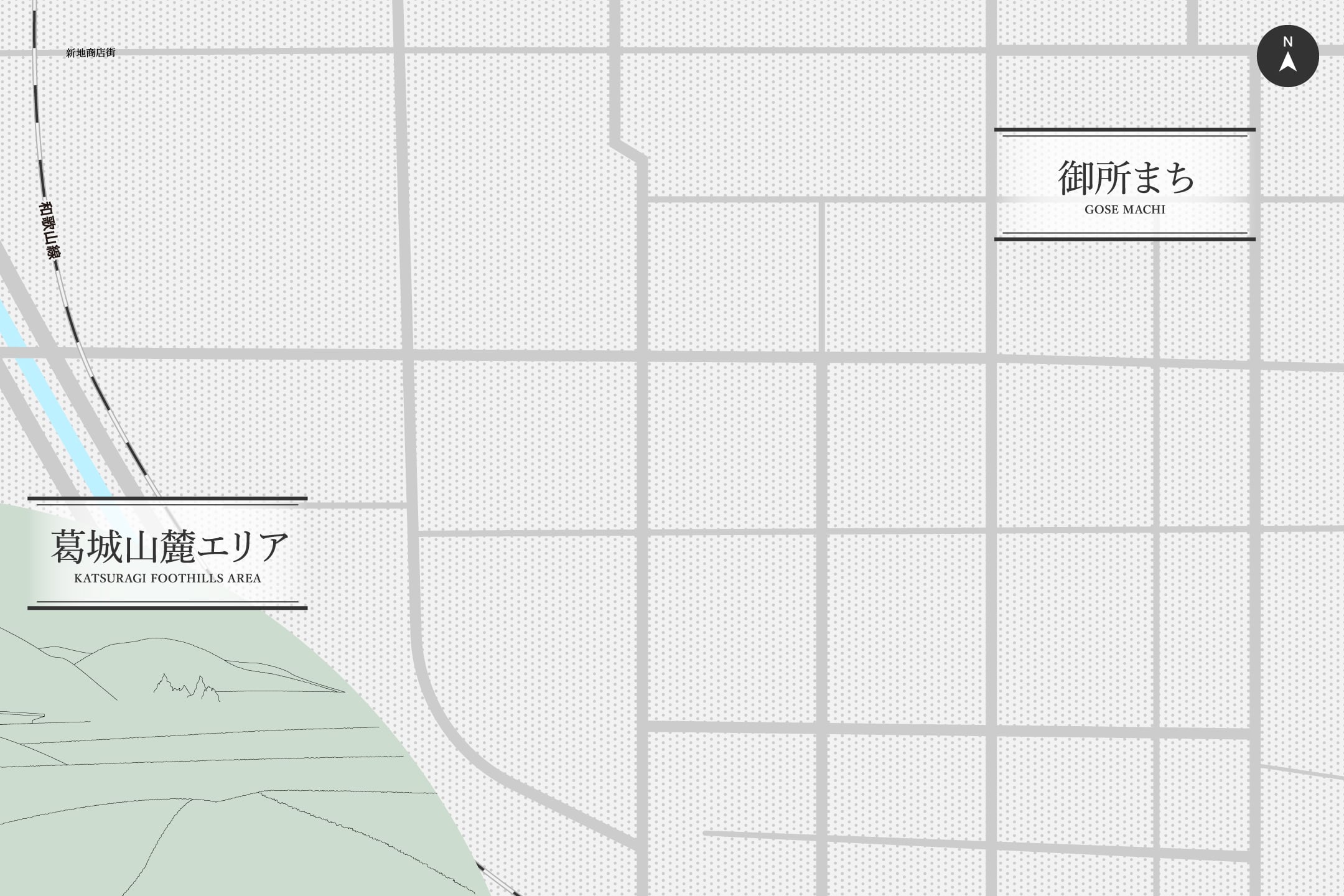
Over many years, we have developed deep ties with the contract farmers who grow our Akitsuho rice. Seeking to further strengthen our ties with local agriculture, we established the "Sanroku-gura", in 2024, a brewhouse situated on the foothills of Mt. Katsuragi. The motto of the brewhouse is "Satoyama and brewery in harmony: Bridging the satoyama to the next century". We aim to preserve the ancient, beautiful landscapes of Nara for future generations.
Living and working in harmony with the satoyama ecosystem, and sustained by the terrestrial energy of the Katsuragi foothills, the brewers at the Sanroku-gura hone their senses while crafting the new "S Kaze no Mori" series. Crafted from Akitsuho rice born of the same land, the "S Kaze no Mori" series captures the true essence and character of the satoyama terroir.
From this base in Fushimi, Gose, we aspire to bridge the local satoyama to the next century and become a brewery cherished by the local community. Building upon the insights and relationships cultivated at the Sanroku-gura, we will take the brewing of Kaze no Mori to new depths.
The Future of Kaze no Mori
Map of Gose-machi
Let's visit
Kaze no Mori…
-

A+ à plus
(French restaurant) -

Yado Charinko
(GOSE SENTO HOTEL) -

Higashiyama
Sake Shop -

Joshuji
-

Katsuragi Sanroku
Brewhouse -

Kaze no Mori
mountain pass -

Kemuri
(GOSE SENTO HOTEL) -

Kyōhō-gura
-

Maekishouten
-

Patisserie
Petit ami -

RITA GOSE MACHI
(GOSE SENTO HOTEL) -

Gose Takarayu
(GOSE SENTO HOTEL) -

chocolaterie
Tatsunori Sato -

Yamato Distillery
-

 Gose-machi-gura, Yucho Shuzo
A+ à plus (French restaurant)
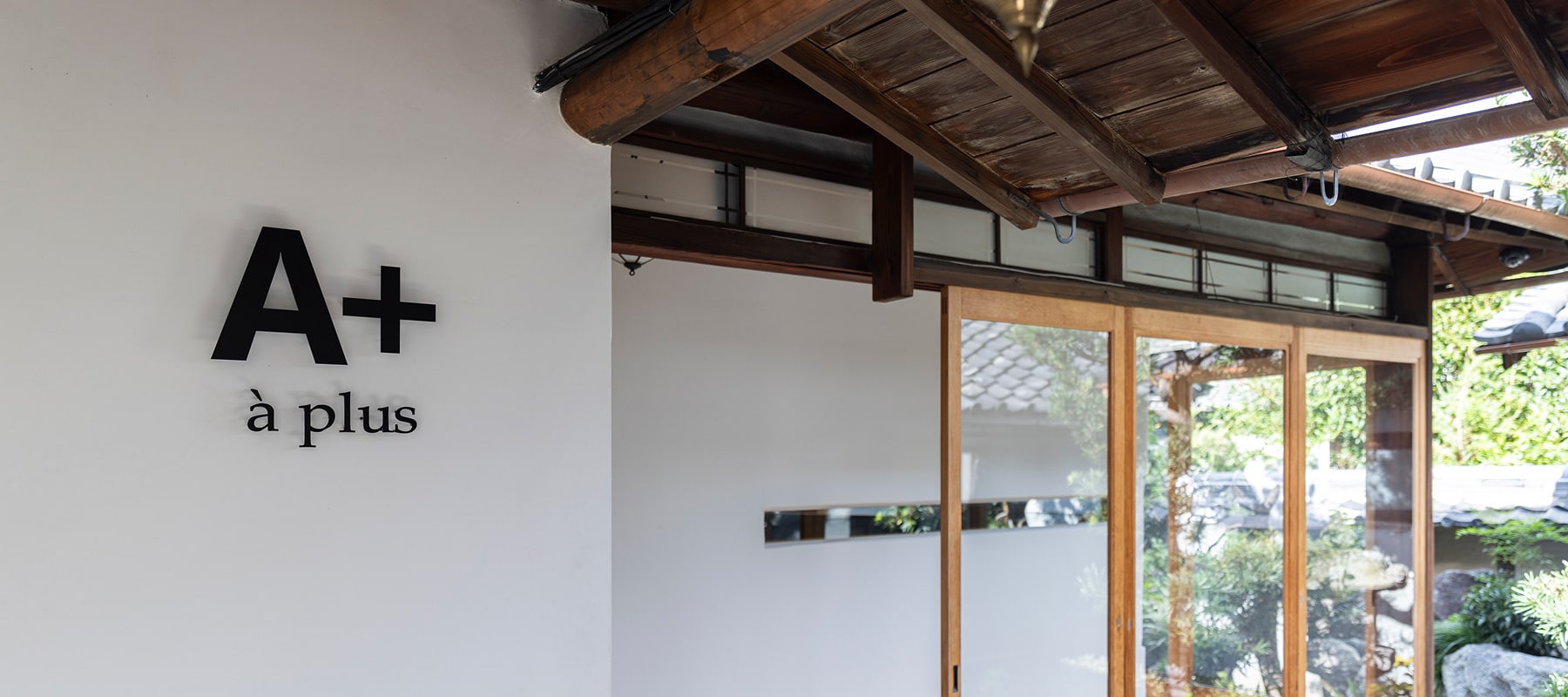
This is a French restaurant adjoining Yucho Shuzo.
In addition to pairing menus designed to complement Kaze no Mori, you can also enjoy French hors d'oeuvres and full-course meals.
Yado Charinko
(GOSE SENTO HOTEL)
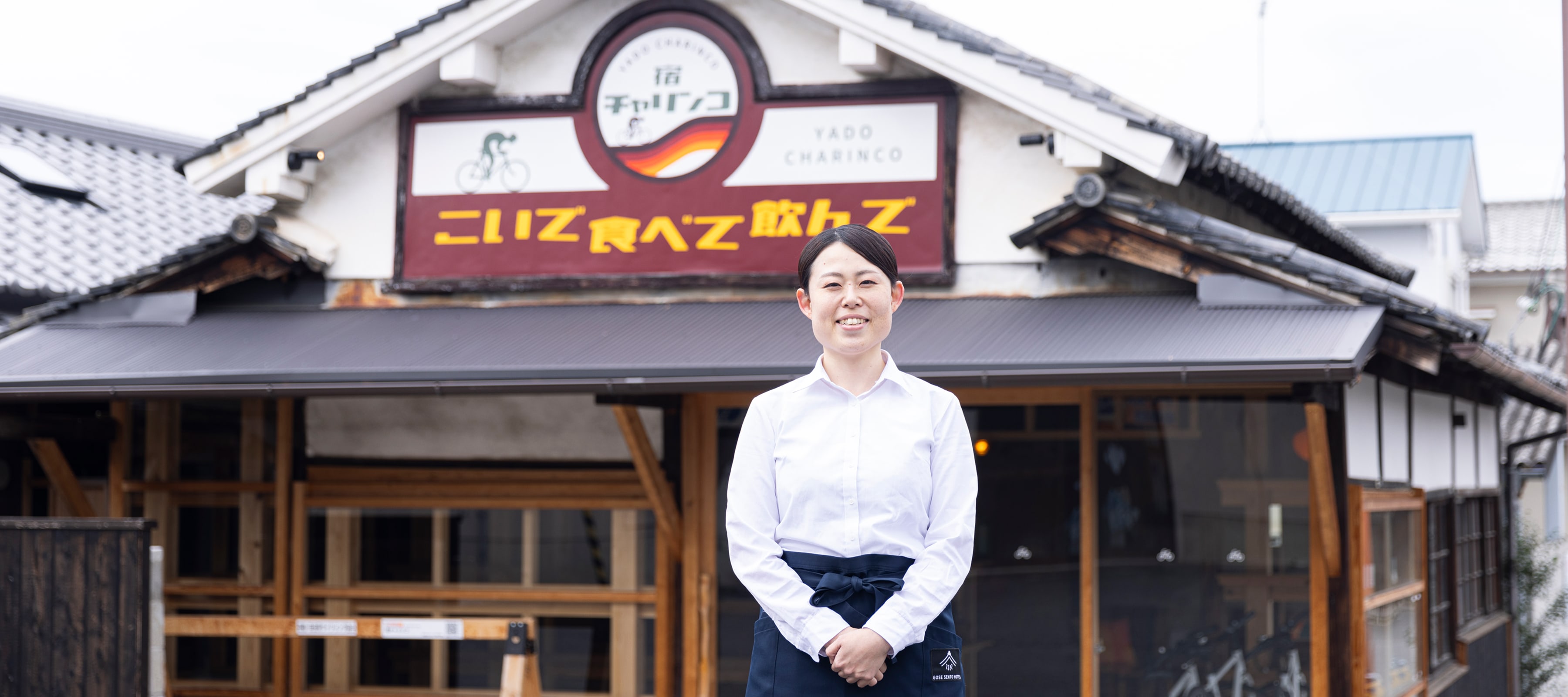
A lodging that served formerly as a bicycle shop, it still retains its original charm offering guests a nostalgic retreat into the retro ambience of Showa-era Japan. Guests can also enjoy cycling through Gose's rich natural scenery and historic townscape with rental bicycles.
Higashiyama Sake Shop
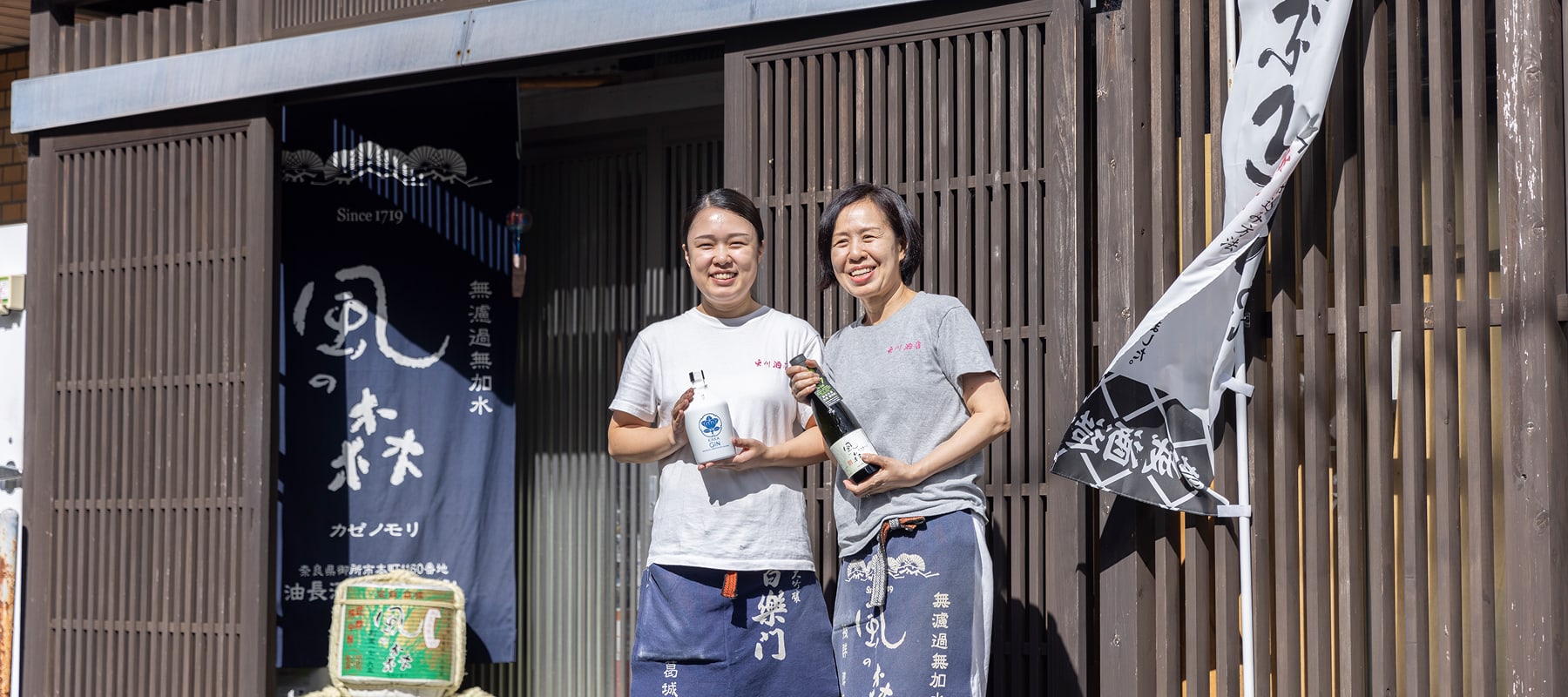
A long-established sake shop beloved in Gose-machi. In addition to Kaze no Mori, they offer a wide selection of carefully curated local sake and shochu.
Joshuji
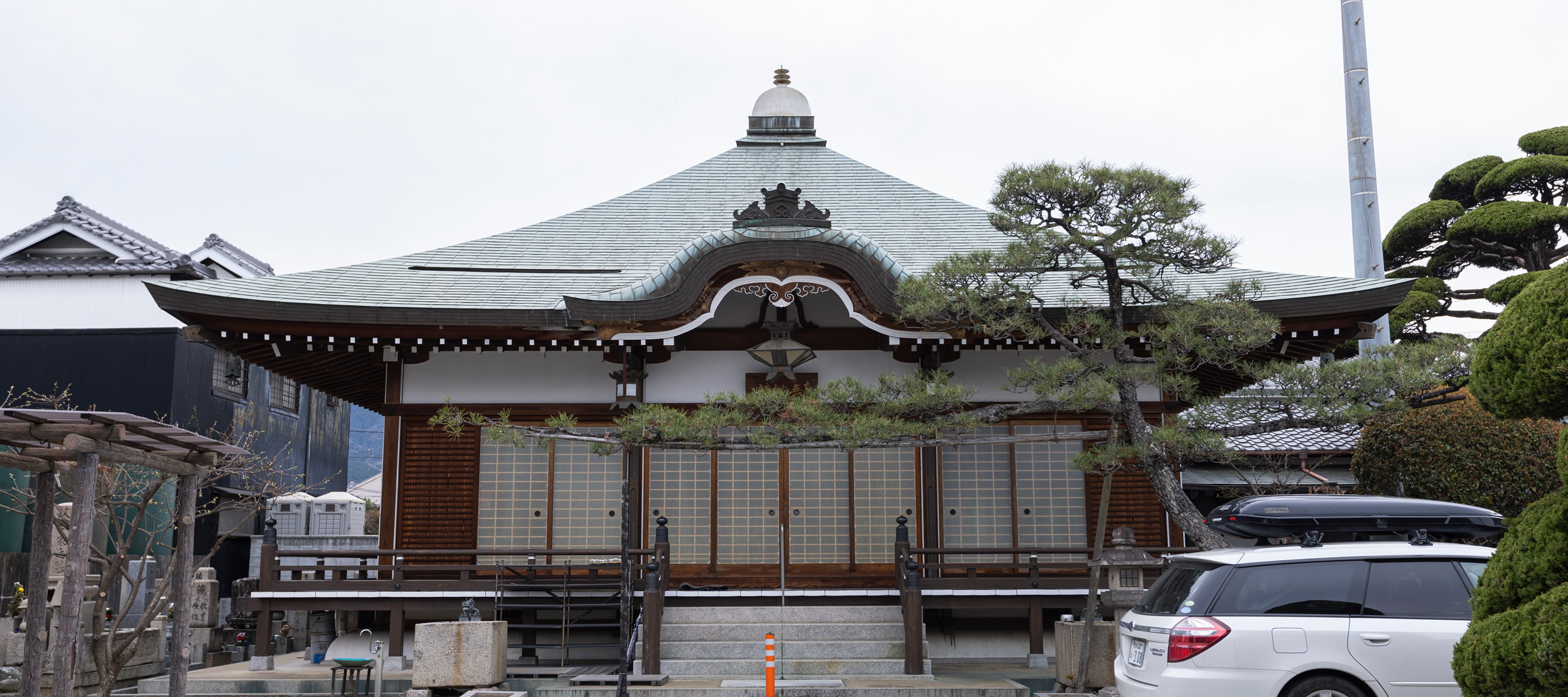
Located in the heart of Nishi-gose, Joshuji, situated in Midō Uodana-chō, is affectionately known by locals as "Nishi no Midō-san". The head priest, Kōen Hatanaka, is also a ceramic artist and a truly fascinating individual.
Katsuragi Sanroku Brewhouse
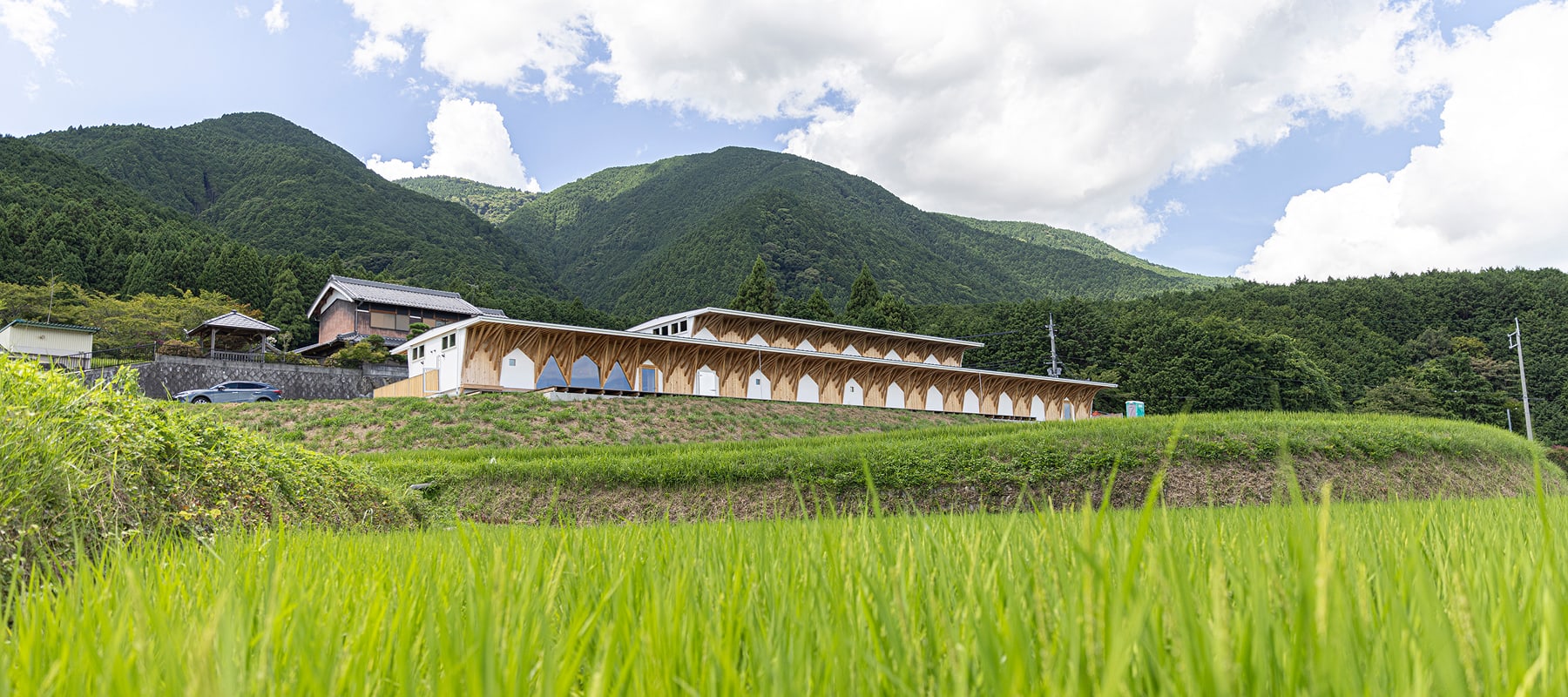
This new brewhouse of Yucho Shuzo stands at the heart of beautiful terraced rice fields. Guided by our vision of "Bridging the satoyama to the next century", we aim to create a brewhouse that works and grows together with the local community.
Kaze no Mori mountain pass
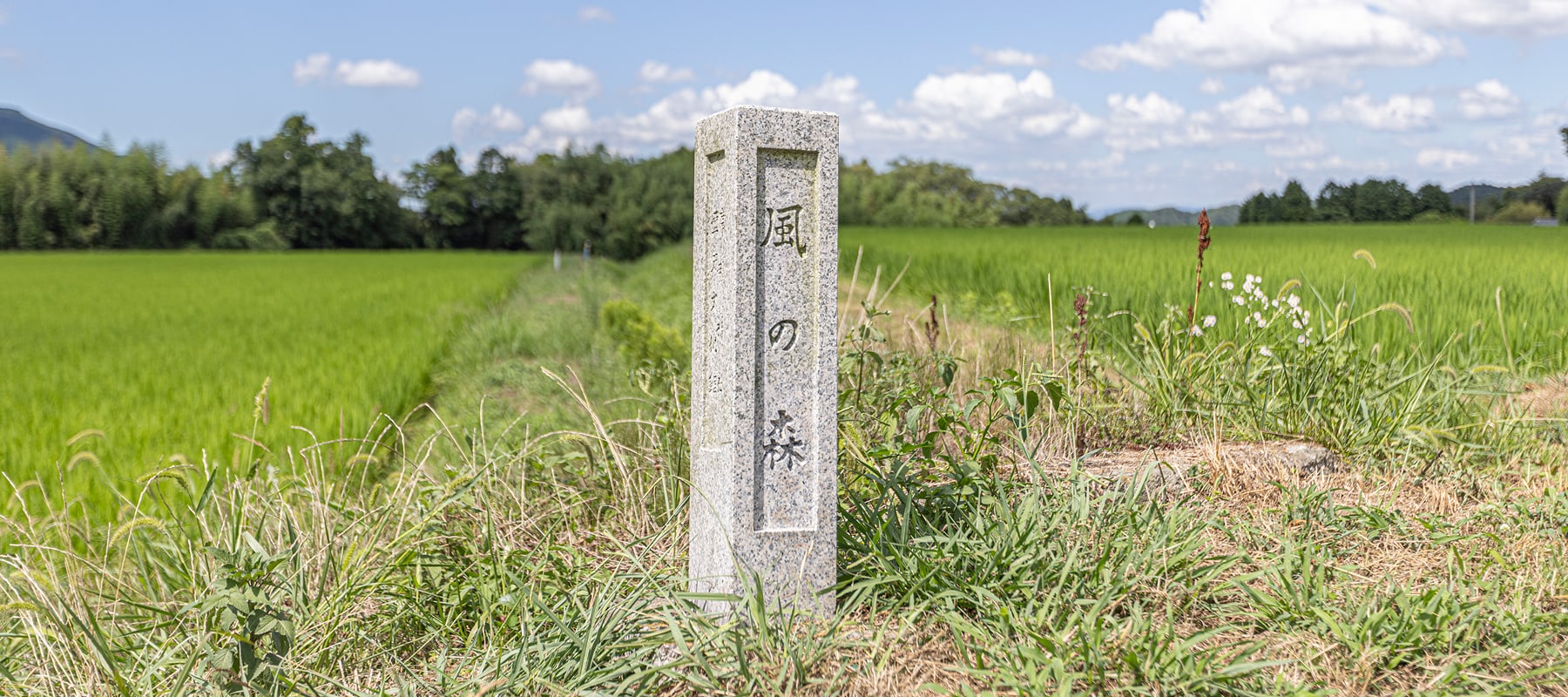
The flagship sake of Yucho Shuzo, Kaze no Mori, takes its name from this place, an area where soothing winds flow throughout the year. From near the summit of the Kaze no Mori mountain pass along the Katsuragi Kodo Path, you can look out over beautiful rural landscapes, with Mt. Kongō and Mt. Katsuragi rising beyond.
Kemuri
(GOSE SENTO HOTEL)
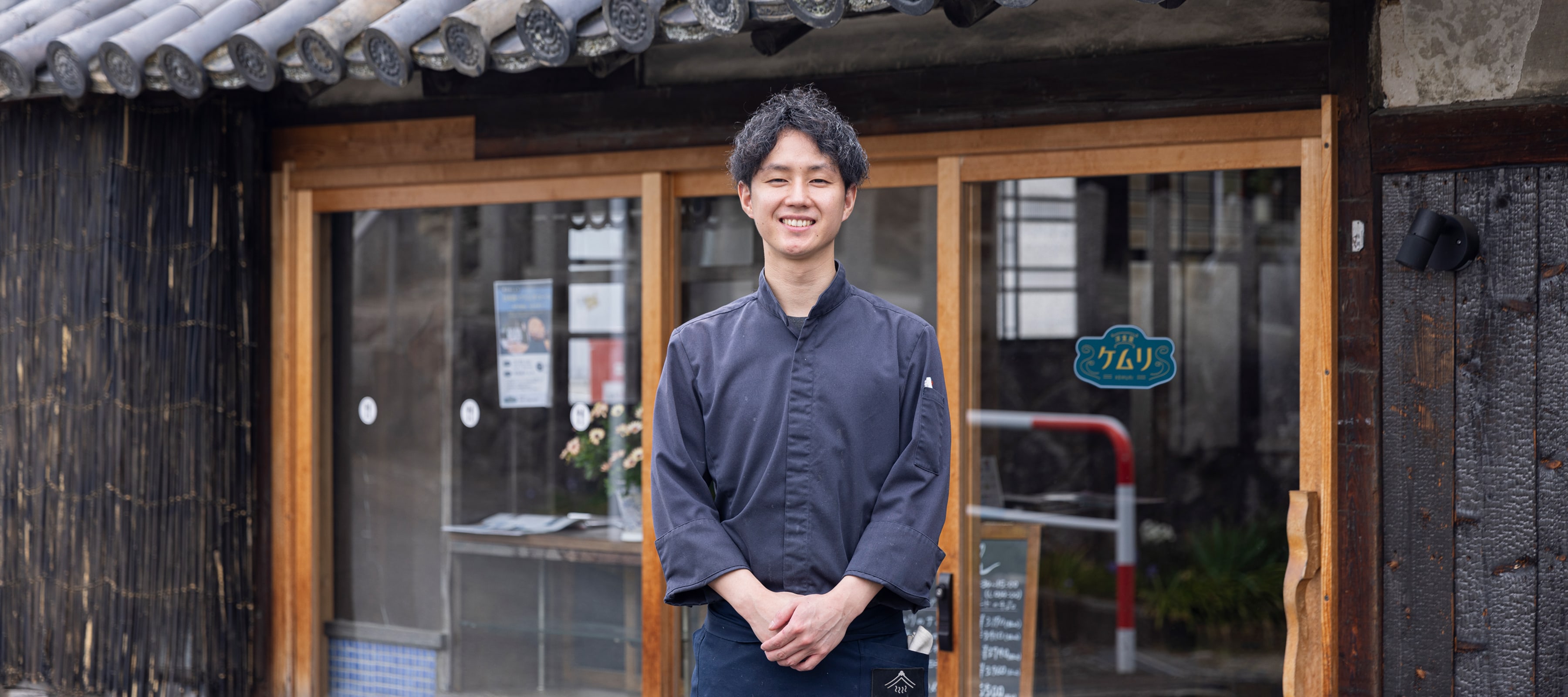
Restaurant serving Western-style dishes featuring ingredients unique to Gose, such as kudzu root and duck, alongside sake from Gose, crafted from the region's mineral-rich water.
Kyōhō-gura
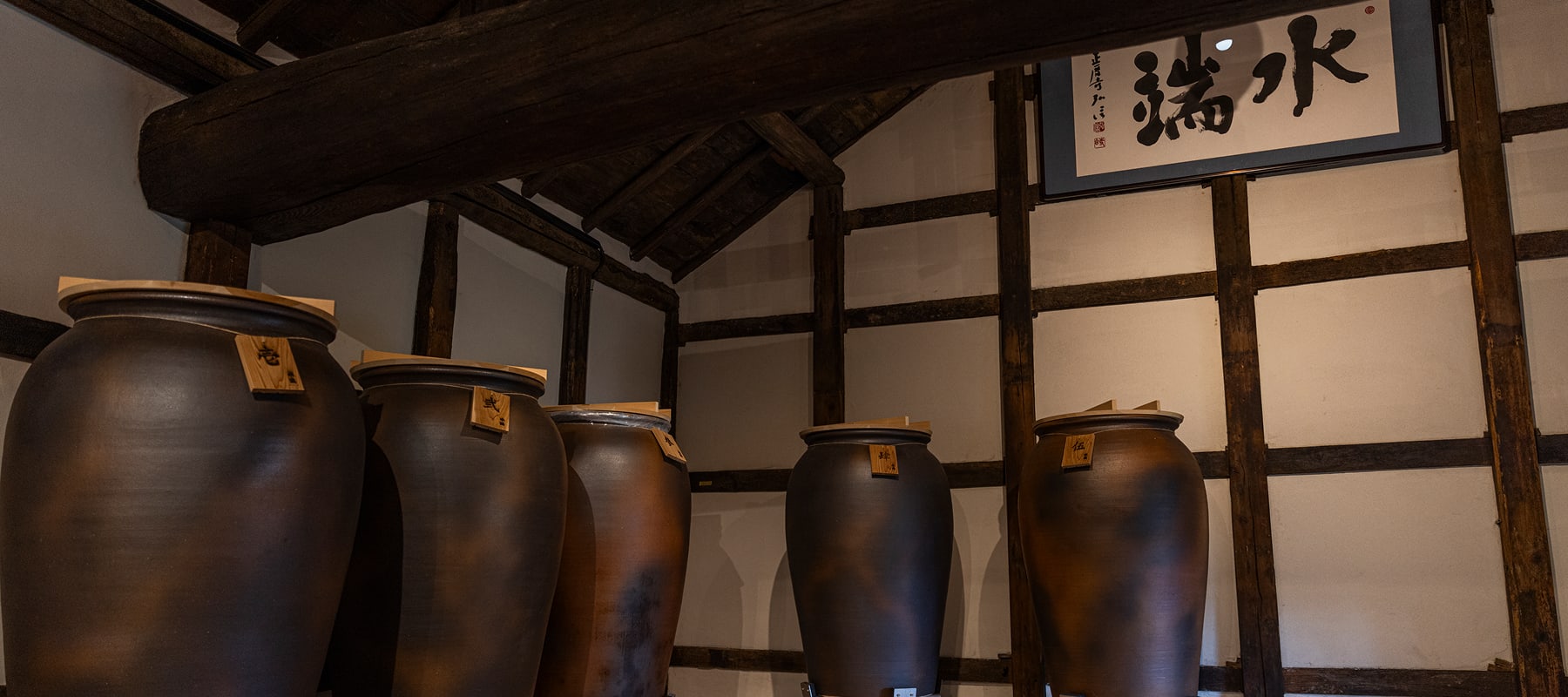
Here we brew our sake "mizuhana", aspiring to "revive forgotten brewing techniques once practiced in ancient Nara through the study of historical documents".
Maekishouten
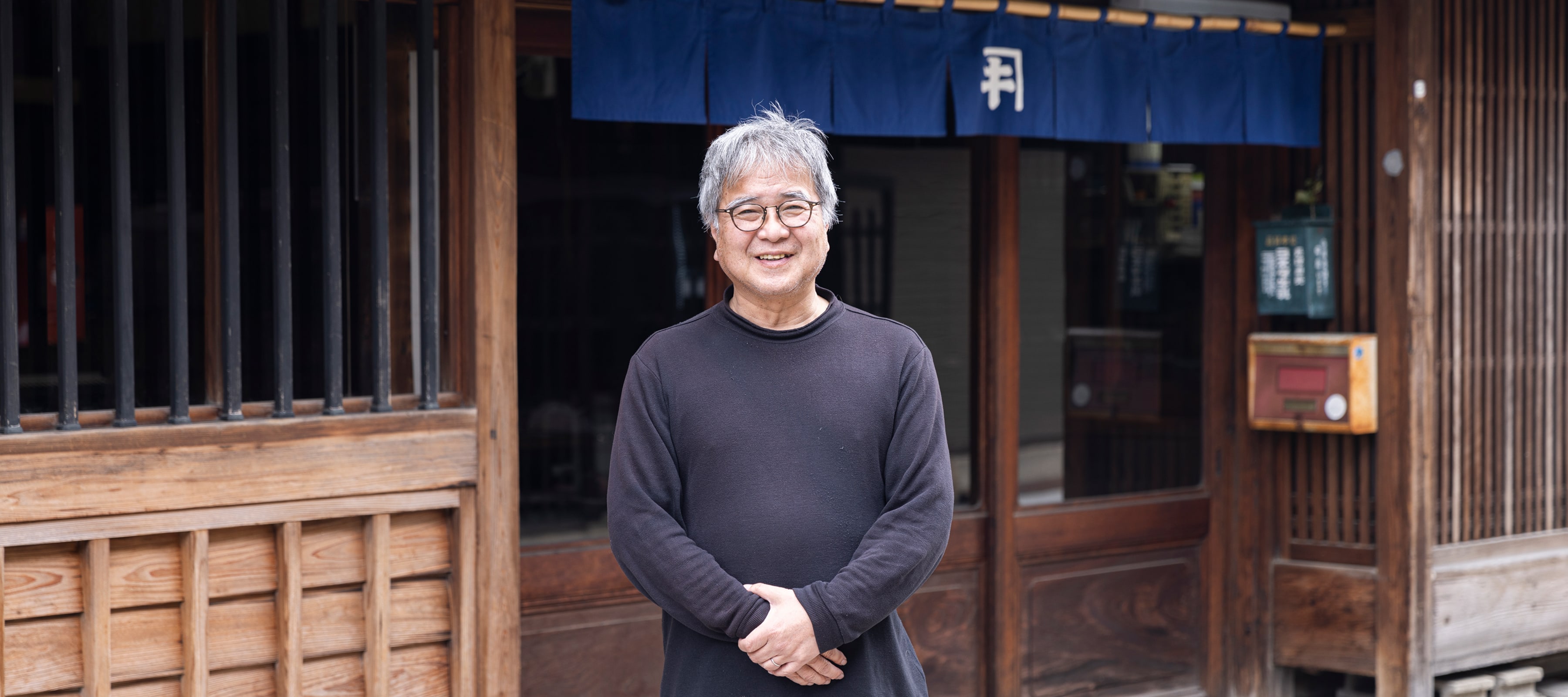
This sugar wholesaler has been operating in Gose-machi for over 150 years. In addition to a wide variety of sugars, the shop also offers handmade fruit candies and other sweets.
Patisserie Petit ami
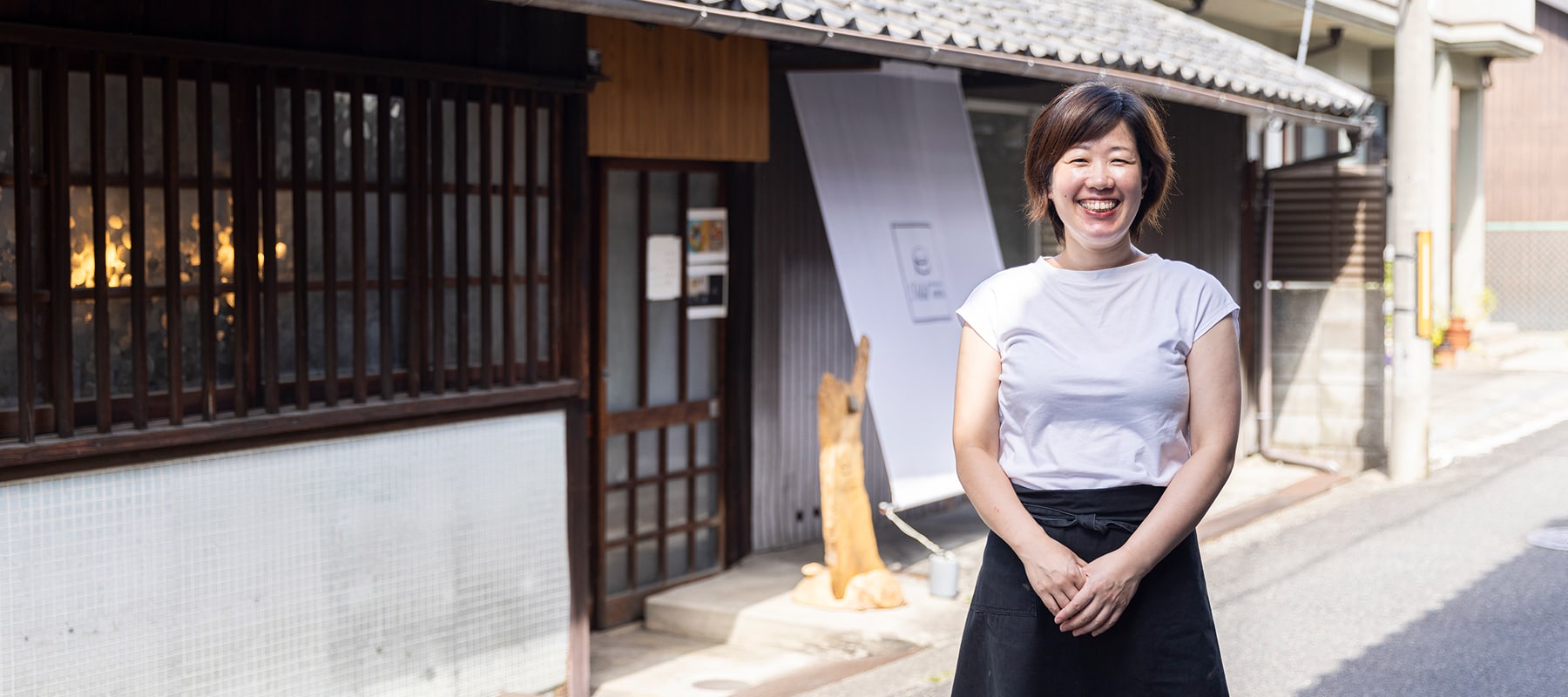
Exquisite Western confections crafted by a pâtissier trained in Germany and France. Each piece is carefully handmade, delivering authentic flavours.
RITA GOSE MACHI
(GOSE SENTO HOTEL)
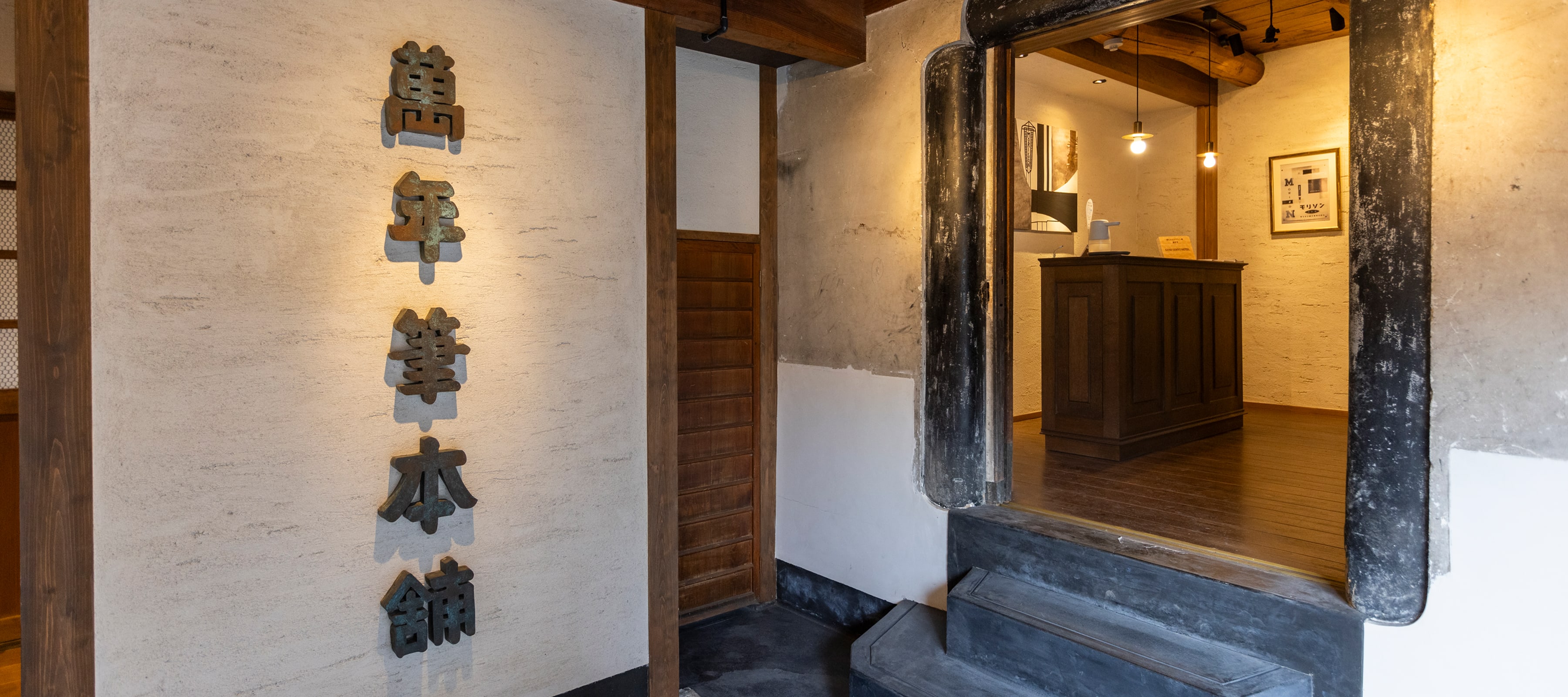
Originally a fountain pen shop, this traditional kominka house now serves as a lodging facility.
Offers accommodation, curated experiences, and meals – by reservation.
Gose Takarayu
(GOSE SENTO HOTEL)
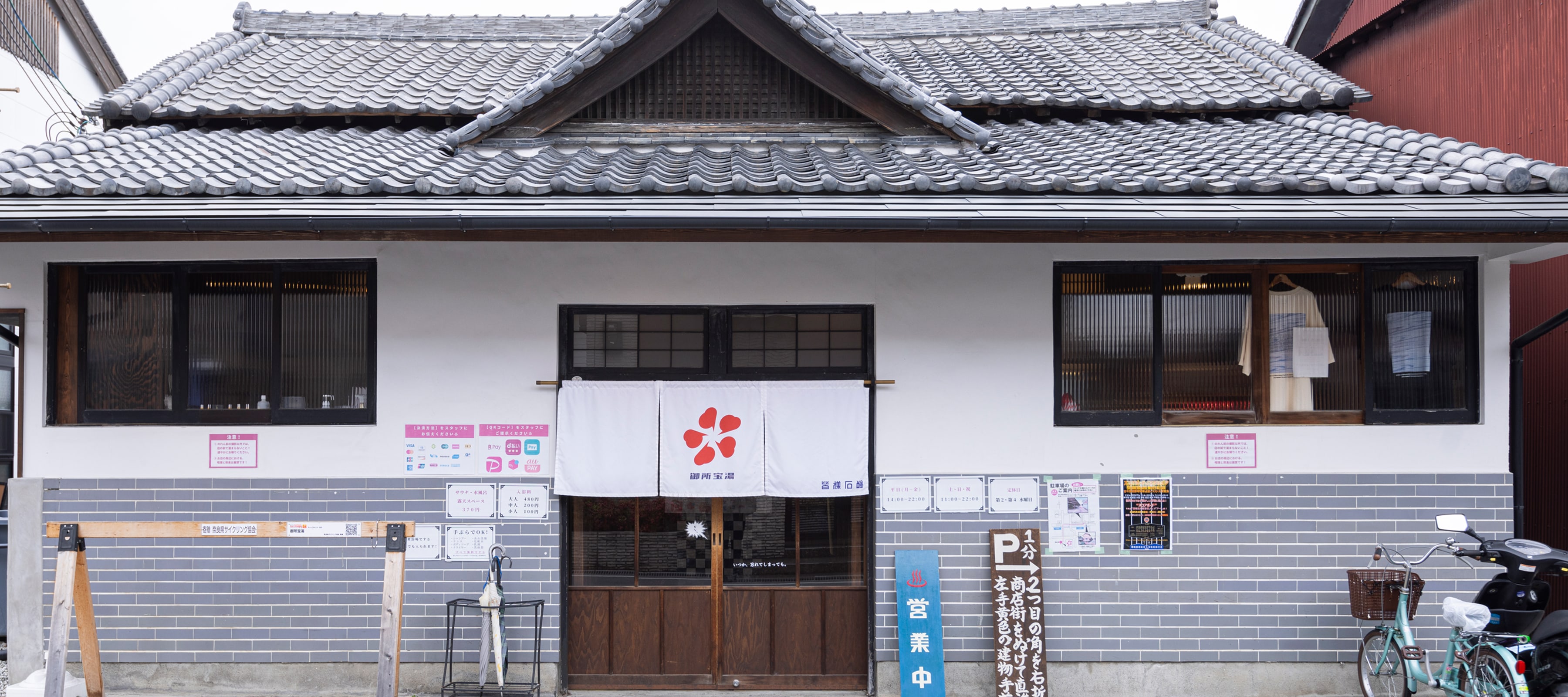
This is the only public bathhouse in Gose. Boasting a traditional Japanese tub, a Finnish-style sauna, and an open-air cold bath, it retains the nostalgic atmosphere of its founding while providing modern facilities designed for cleanliness and safety.
Chocolaterie
Tatsunori Sato
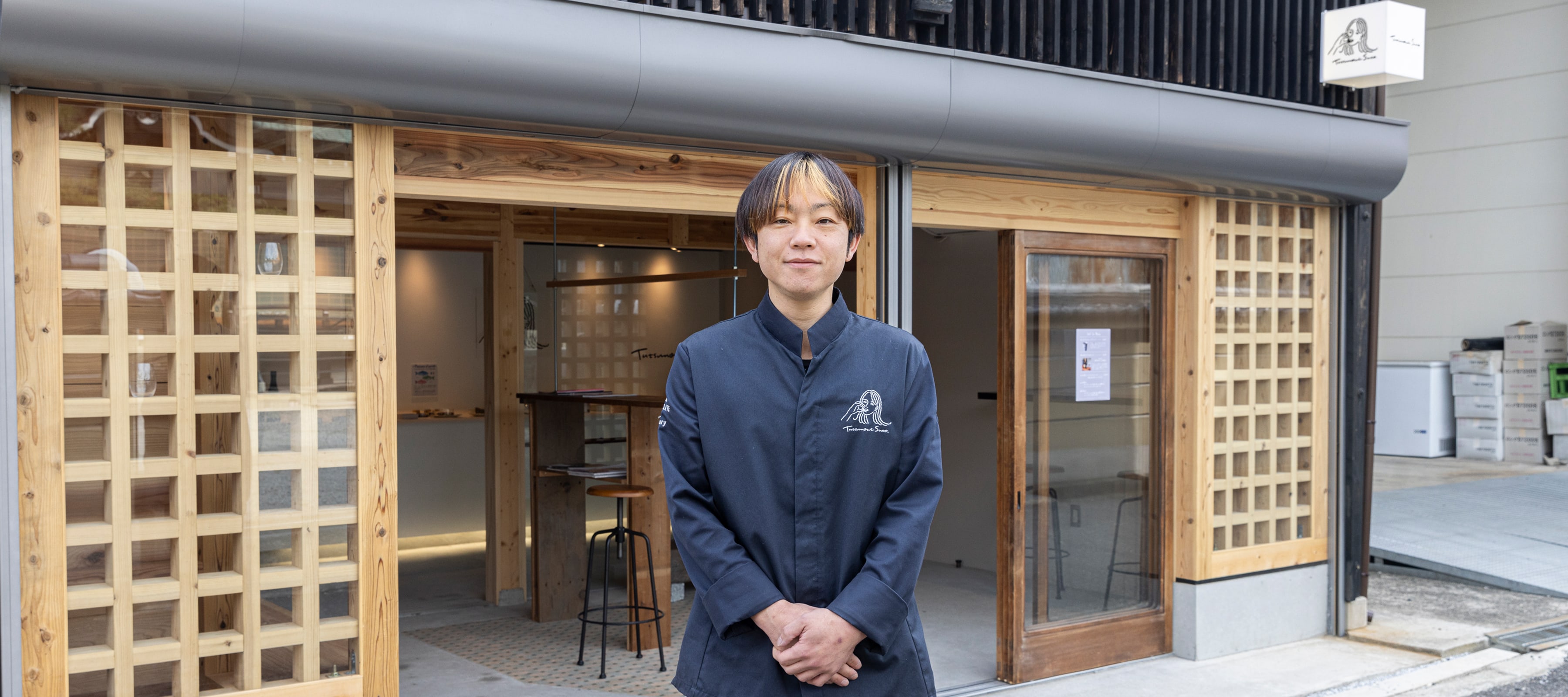
A new brand conceived by Chef Chocolatier Tatsunori Satō, centred on the theme "Adding colour to everyday life with chocolate". He pursues the creation of chocolates that move the heart and enrich the soul – each piece crafted with that ideal in mind.
Yamato Distillery
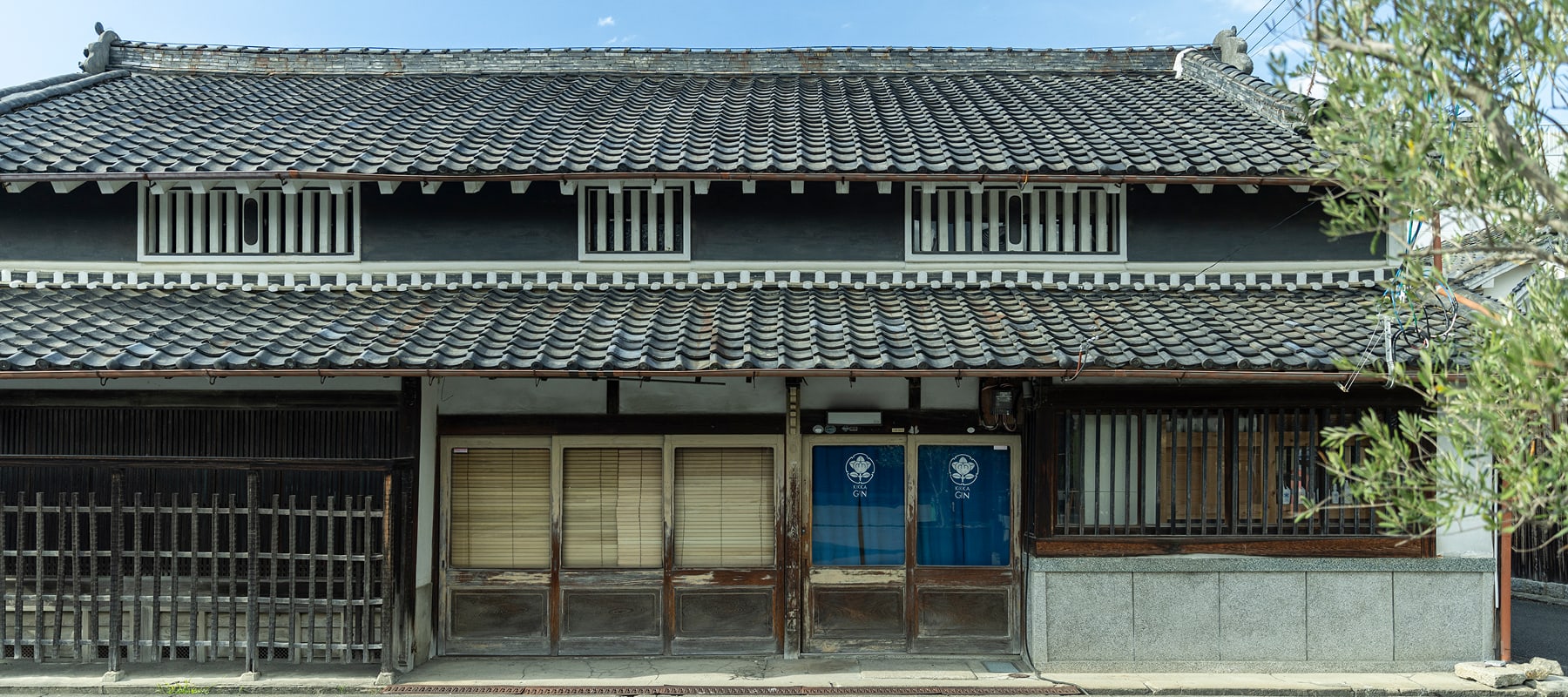
Housed in a 150-year-old renovated kominka house, this is our craft gin distillery.
Gin, which originated as a medicinal liquor, is a spirit deeply connected to herbal botanicals. From Nara, where medicinal herbs are still cultivated to this day, we aim to create a gin that conveys the region's history, culture, and natural character.
Gose-machi-gura,
Yucho Shuzo
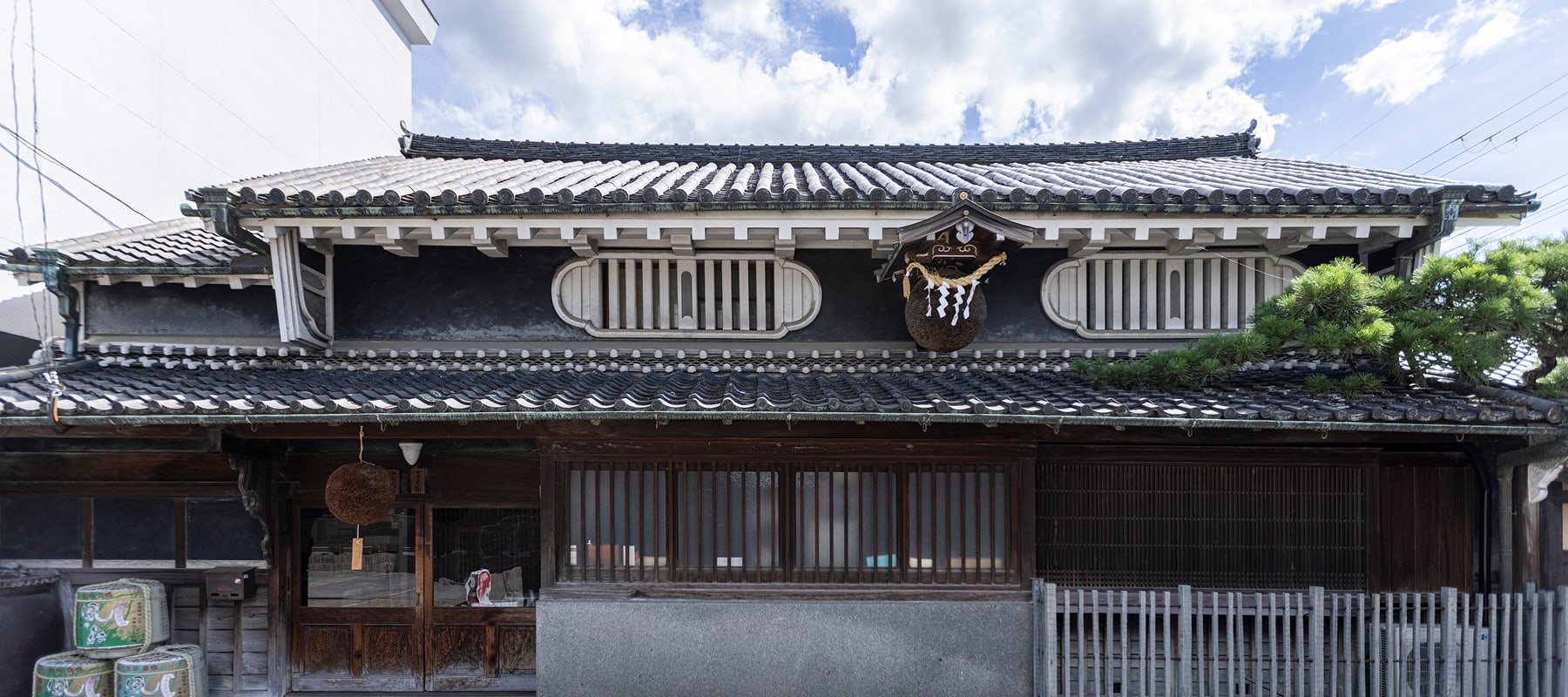
Since the year Kyōhō 4 (1719), when we transitioned from oil merchant to sake brewery, we have been devoted solely to sake brewing for over 300 years.
Guided by an aspiration of "Preserving Japan's beauty a 100 years beyond – through the art of sake brewing", we explore traditional techniques, layering on and enhancing them with modern ones. In this way, we are able to create a taste and character truly unique to Yucho Shuzo.