Our Brewing Philosophy
A diverse array of unique sake and spirits, woven together by three distinctive brewhouses and a distillery
Since launching Kaze no Mori in 1998, a sake that began out of a desire to make freshly pressed namazake available to the local people, Yucho Shuzo has continued to pursue a forward-looking and purpose-driven vision for the future of the brewery.
Alongside the growth of Kaze no Mori, we continue to lay the groundwork for the next era.
In 2018, we established the Yamato Distillery to create "KIKKA GIN", a craft gin that shares Nara's history with the world. In 2021, at the "Kyōhō-gura", a brewhouse devoted to exploring the depths of Nara's brewing heritage through brewing entirely in kame (earthenware pots), we began producing "mizuhana". By layering the classical techniques learned here with new methods only possible today, we aim for even greater depth in the brewing of "Kaze no Mori" at the "Gose-machi-gura".
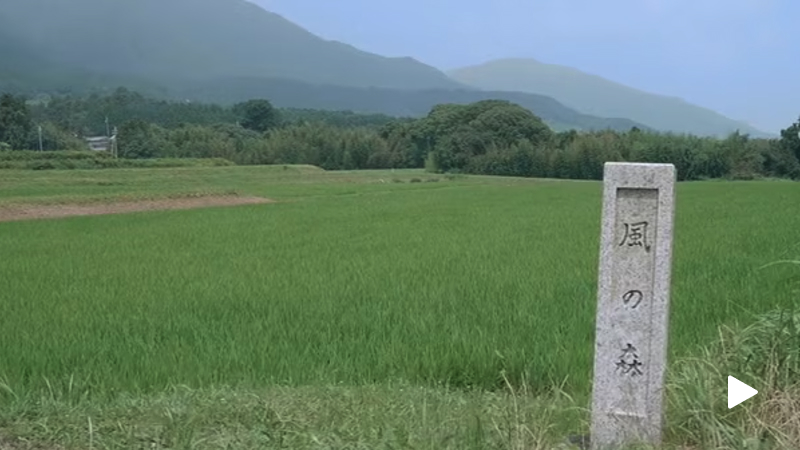
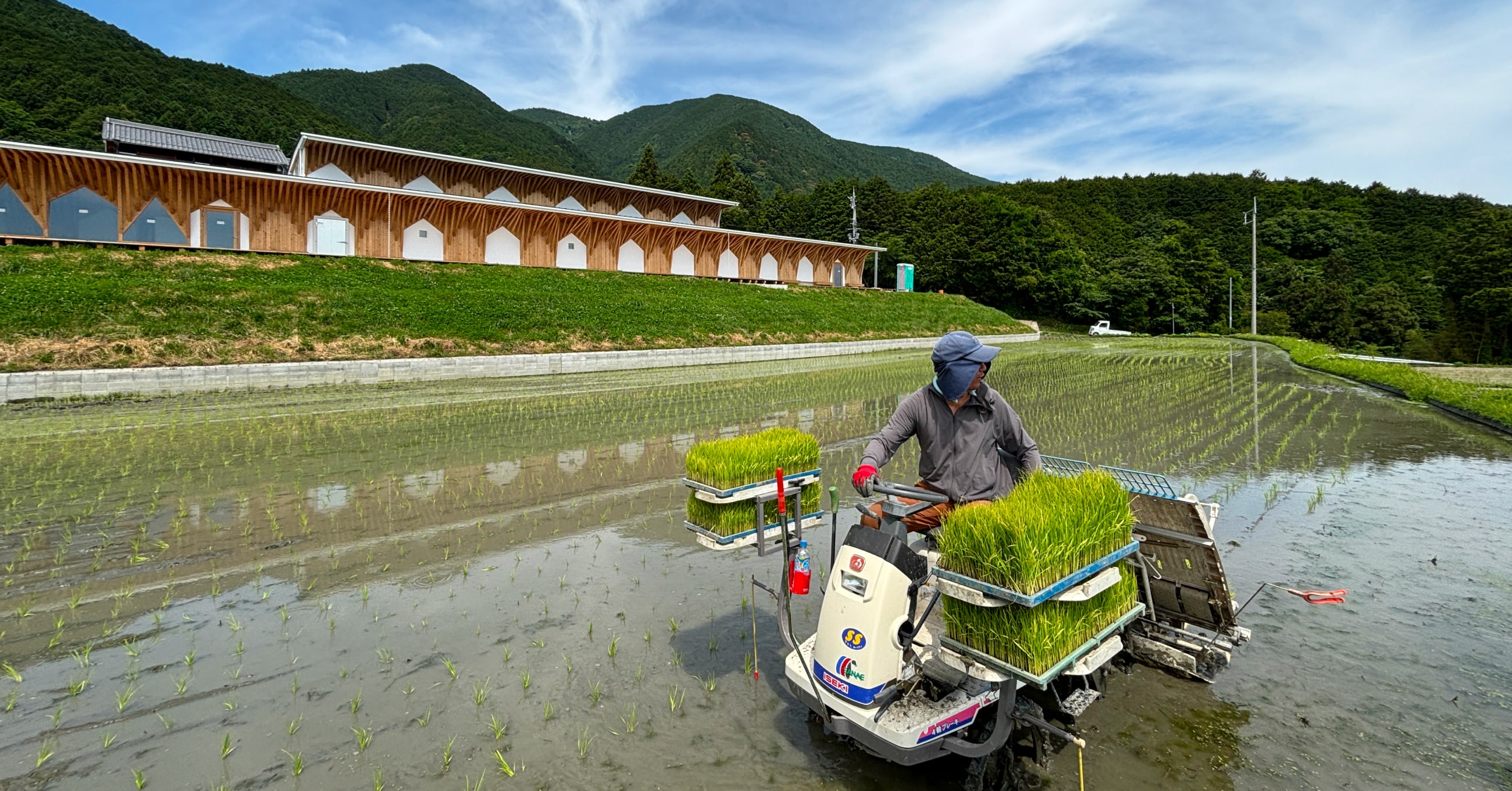
In 2024, guided by our motto to bridge the satoyama to the next century, we launched the "Sanroku-gura", a brewhouse situated amid terraced rice fields on the foothills of Mt. Katsuragi. With "S Kaze no Mori" brewed here, we explore the relationship between agricultural sustainability and the brewery.
In this way, Yucho Shuzo is home to three distinctive brewhouses and a distillery, each deepening our craft. We bring the insights and learnings gained across these three brewhouses and distillery back into our brewing as we work to fulfill our mission of "Preserving Japan's beauty a 100 years beyond – through the art of sake brewing".
-
Challenge
Gose-machi-gura
Since our founding in 1719, we have been brewing sake on this premise for over 300 years. This is the principal brewhouse of Yucho Shuzo. We brew Kaze no Mori here, a sake born of a desire to make freshly pressed namazake available to the local people.
The Gose-machi-gura is also responsible for brewing "Takacho" Bodaimoto Junmaishu, a sake that sustains the Bodaimoto method, which originated at Bodaisan Shoryakuji Temple – the birthplace of Japanese sake.
Kaze no Mori / Takacho
Video intro to the Gose-machi-gura
-
Exploration
Kyōhō-gura
Originally built during the Kyōhō era, this brewhouse was renovated in 2021. It is here that we brew "mizuhana", a sake created under the theme of reviving forgotten brewing techniques once practiced in ancient Nara through the study of historical documents.
In this brewhouse, the Kyōhō-gura, brewing is carried out in large kame (earthenware pots), the fermentation vessels of the period, in accordance with these old texts. Our aim is to explore the history of Nara's sake to an unprecedented depth, to learn from it, and to convey it to future generations, while also seeking out new possibilities in the uncharted future of sake.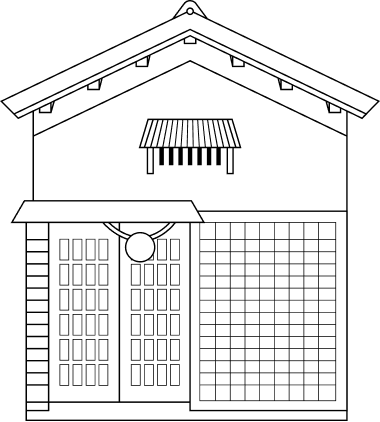
mizuhana
Video intro to the Kyōhō-gura
-
Coexistence
Sanroku-gura
Established in 2024 with the goal of bridging the satoyama* to the next century, this new brewhouse established the "Kaze no Mori Satoyama Community", where farmers, the brewery, sake retailers, and consumers coexist, working together to contribute to the sustainability of the satoyama.
At the Sanroku-gura, the brewers themselves live in harmony with the satoyama, brewing S Kaze no Mori from Akitsuho rice grown on the foothills of Mt. Katsuragi, polished only lightly to around 90% seimaibuai (polishing ratio). Harnessing the energy of the land, we strive to express the full character of the region and the individuality of each farmer.
*Satoyama are countryside communities in Japan that live in sustainable harmony with nearby forests and mountains.
S Kaze no Mori
Video intro to the Sanroku-gura
Yamato Distillery
Established in 2018 as a distillery for producing KIKKA GIN.
Here we distil craft gin using botanicals native to Nara, such as Yamato tachibana and Yamato tōki. Nara Prefecture, home to Japan's oldest capital, also has a long history of medicine, encompassing its origins, manufacture, and sale. Originating as a medicinal spirit, gin is characterized by the use of herbs and other botanicals. Our aim is to create a craft gin that shares with the world the history, culture, and natural heritage of this region.

KIKKA GIN

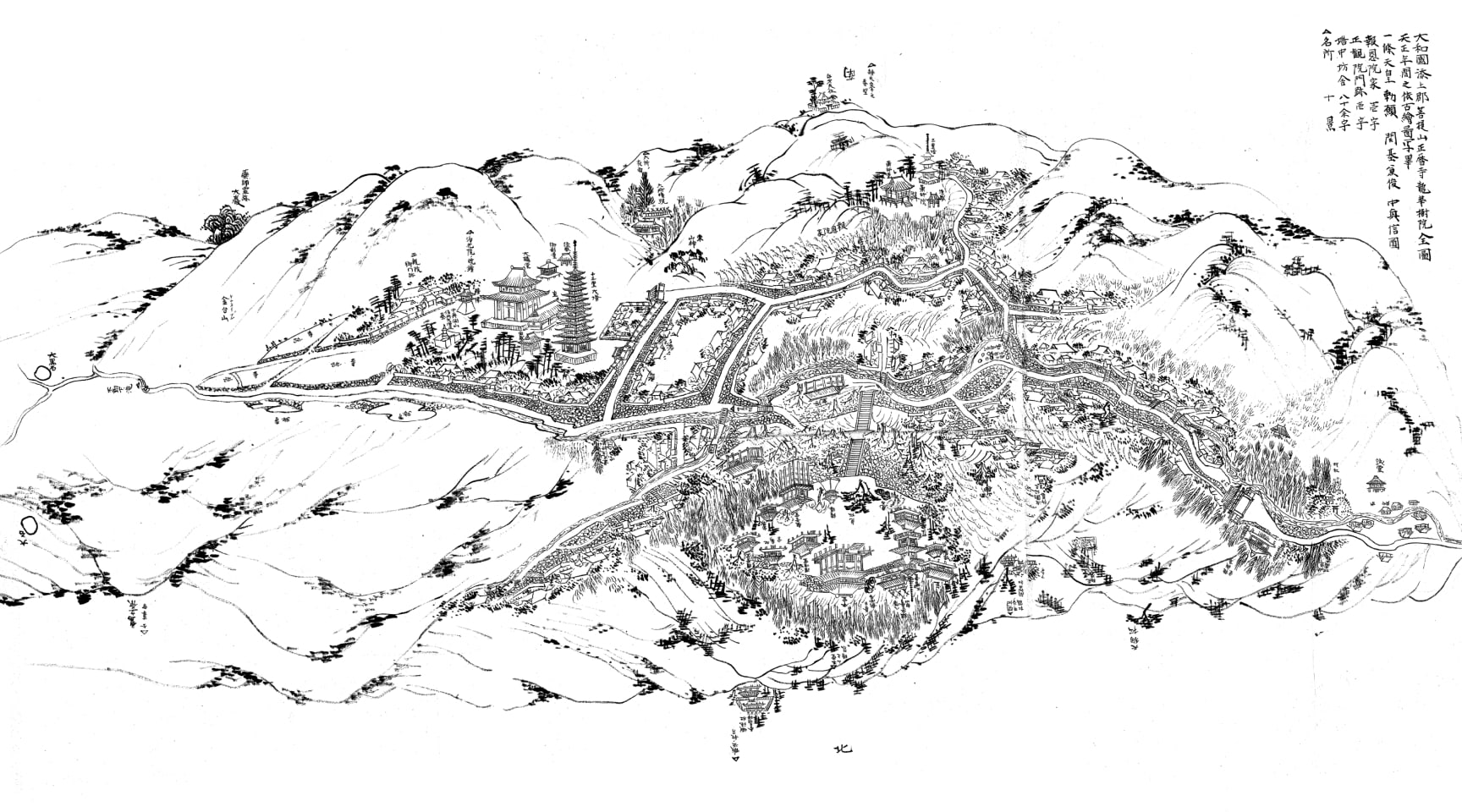
The birthplace of Japanese sake: Nara
Nara has a long and deep connection to the history of Japanese sake, playing a pivotal role in its evolution.
Ōmiwa Shrine, dedicated to Ōmononushi, the deity of sake brewing, has been revered for centuries.
During the medieval Muromachi period, at large temples such as Bodaisan Shōryakuji, regarded as the birthplace of Japanese sake, and Kōfuku-ji, temple brewing gave rise to techniques that remain central to modern sake-making: seimai (rice polishing), jōsō (pressing), hiire (pasteurization), shubo (yeast starter), and dan-jikomi (multi-stage mashing).
For this reason, Nara is said to be the birthplace of Japanese sake.
Yucho Shuzo is committed to continuing the history of sake brewing in this region.
Traditional techniquesTraditional techniques of Nara
In the Muromachi period, temple brewing established what would become the core techniques of modern sake brewing: seimai (rice polishing), jōsō (pressing), hiire (pasteurization), shubo (yeast starter), and dan-jikomi (multi-stage mashing).
Among these, several techniques of significance, though no longer mainstream, remain in active use at Yucho Shuzo: the production of soyashi-mizu (a lactic-acidified water created through the action of lactic acid bacteria) developed at Bodaisan Shōryakuji temple; the Bodaimoto method of shubo (yeast starter) making, which employs soyashi-mizu; and kōon-hakkō (high-temperature fermentation) conducted during the warmer months.
Rice of NaraRice of Nara
-
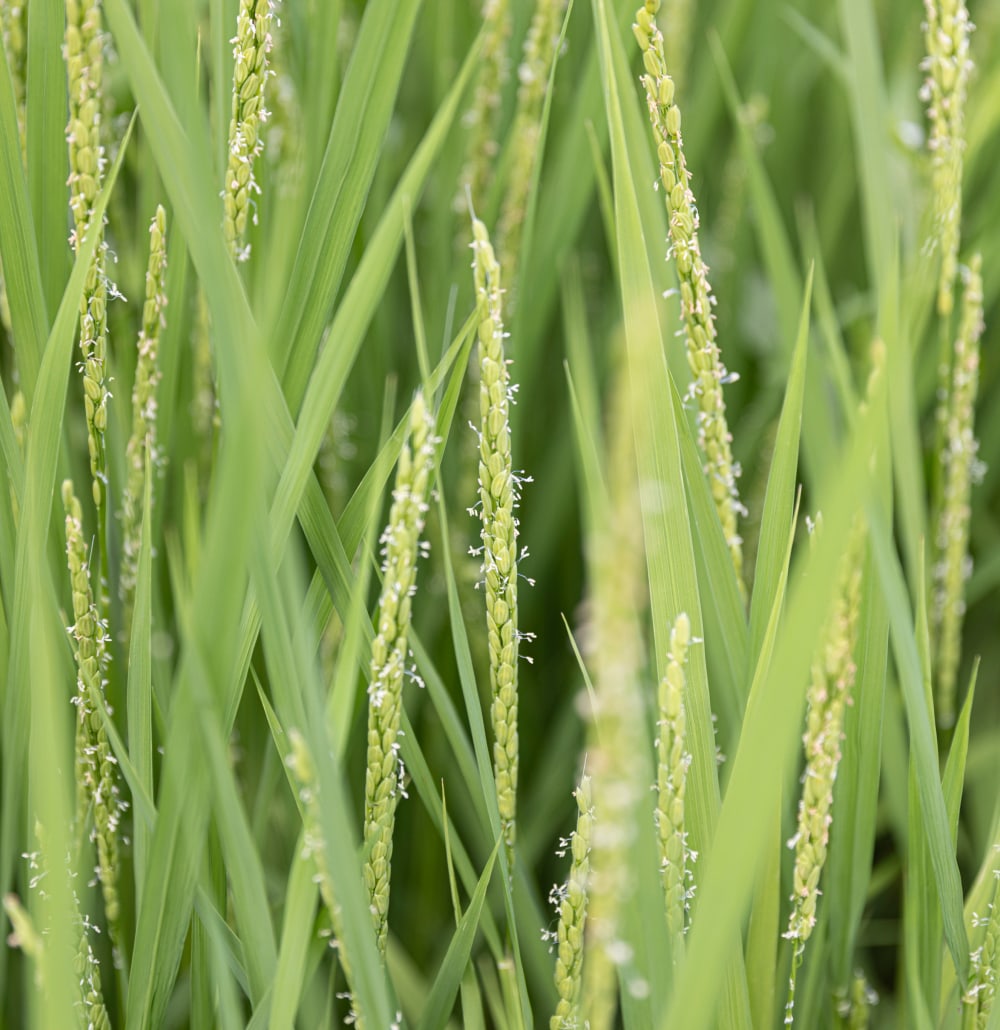
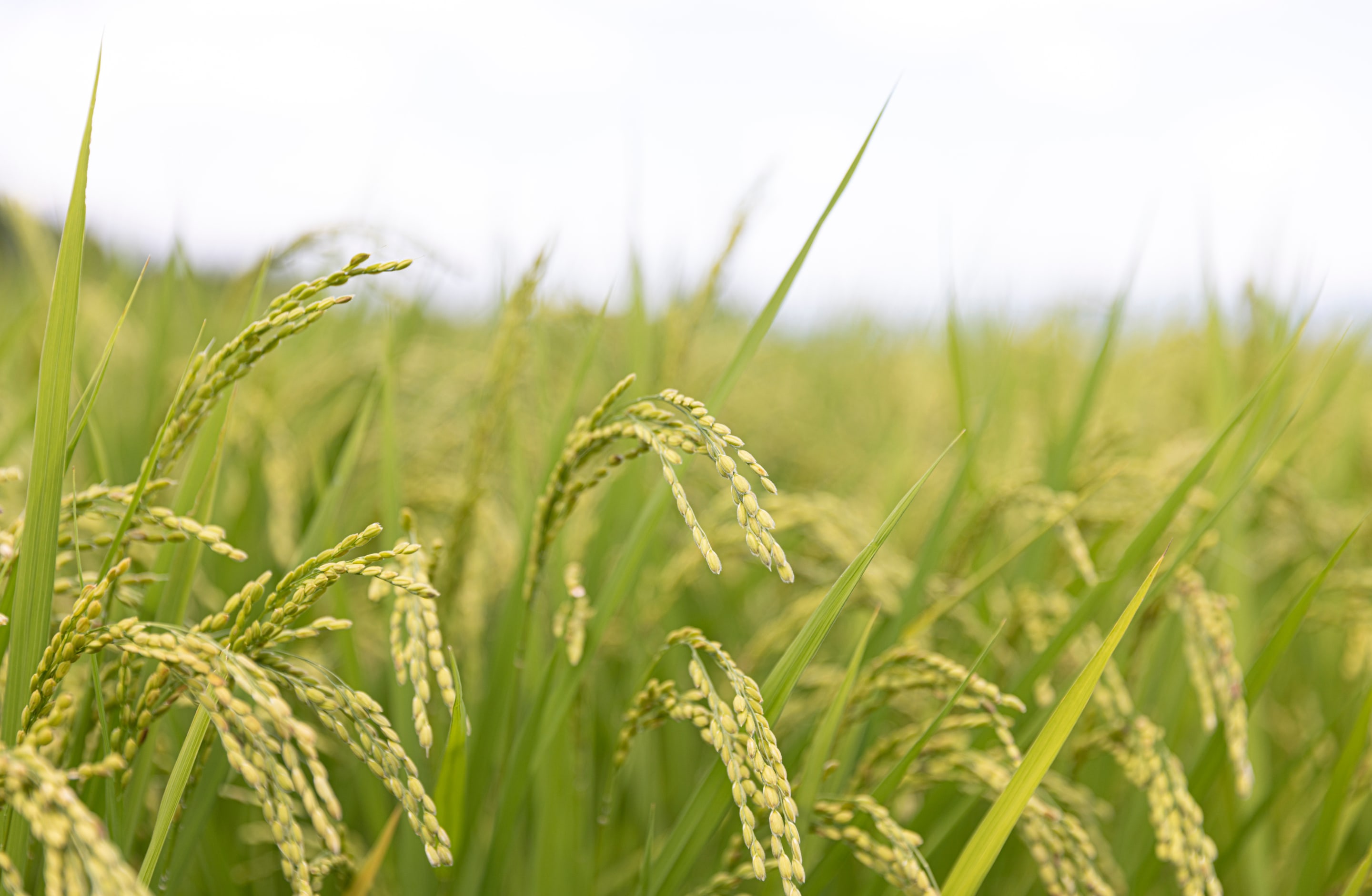
Akitsuho
For over 20 years, we have continued to use this rice, making it indispensable to our sake brewing. Akitsuho can aptly be described as the ideal sake rice for Kaze no Mori. A cross between the Yamabiko and Nipponbare varieties, it produces grains larger than those of Nipponbare and is characterized by a medium-to-large size and a distinctive lustre. Not only is it excellent as a table rice, but its suitability for brewing is also exceptional, allowing us to produce sake with a clear and transparent character. In the Kaze no Mori ALPHA series, we primarily use locally grown Akitsuho rice, producing different sake profiles from the same rice to suit each product design. This is a testament to Akitsuho's outstanding aptitude for brewing.
Map of Akitsuho Farmers -
Tsuyuhakaze
Tsuyuhakaze is a sake-brewing rice developed in 1963 at the Aichi Agricultural Research Center by crossing the rice varietal "Shiratsuyu" (mother) with "Wasefutaba" (father). Today, it is cultivated only in Nara Prefecture. Sake brewed from Tsuyuhakaze is distinguished by a richly textured palate full of complexity. Its characteristic acidity and moderate astringency will remain an important element in the brewing of Kaze no Mori going forward.
-
Nanatsuyu
Nanatsuyu is a sake-brewing rice developed in 2024 after more than ten years of research and development in collaboration with the Nara Prefecture Agricultural Research and Development Center. It is the first sake-brewing rice to have been bred in Nara Prefecture. In addition to the ease with which it dissolves during brewing, it is also well suited to cultivation in the plains of Nara Prefecture, making it a rice variety for the next generation. Its name indicates its lineage from Tsuyuhakaze. We plan to actively incorporate it into the brewing of Kaze no Mori.
Rice polishing ratioAbout the rice polishing ratio
The individual character of a rice is a reflection of the unique qualities of the land where it was grown and the farmer who cultivated it. At Yucho Shuzo, for more than twenty years we have been brewing in a way that brings out and develops this individual character.
By brewing at a polishing ratio of around 90%, as with S Kaze no Mori from the Sanroku-gura (polishing ratio not shown on the product label), or at 80%, as in the Kaze no Mori 807 series, we are able to create Kaze no Mori brews with rich flavour and complexity. While the smooth, clean taste of brews from a rice polished down to 50% (Kaze no Mori 507 series), or even less, also has appeal, it is our belief that the dynamic character of Kaze no Mori with a complexity of taste derived from the energy of the land is no less compelling.
At Yucho Shuzo, we have removed the designations ginjō-shu and daiginjō-shu from all product labelling, unifying all products under the designation "Nara Sake junmai-shu" regardless of polishing ratio. The polishing ratio is indicated solely with the understanding that the degree of polishing is related to the degree of flavour complexity.
Water of Gose, NaraBrewing water of Yucho Shuzo
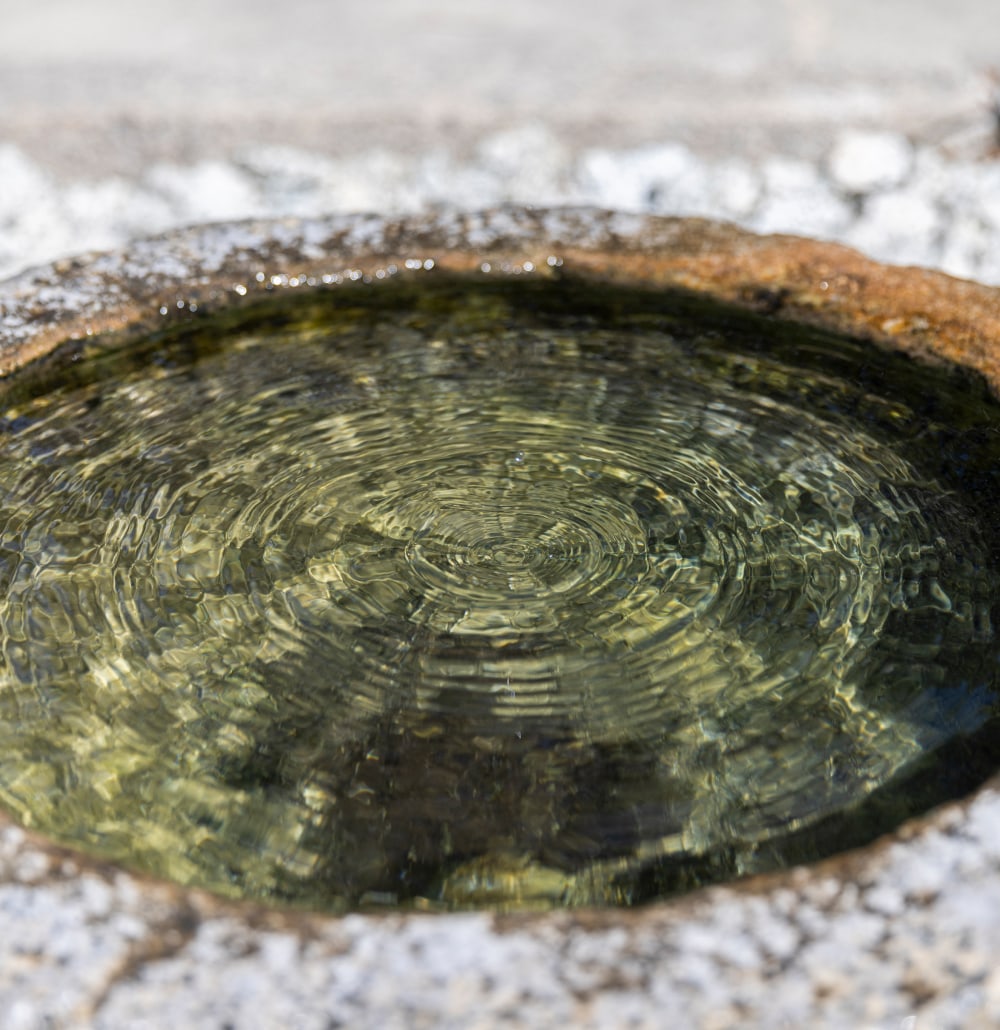
Deep subterranean water from the Katsuragi mountain range
Ultra-hard water: hardness above 250 mg/L
The unique brewing water of Yucho Shuzo, remarkable for its exceptionally high hardness, is drawn from a well that descends roughly 100 metres below the brewery grounds. This unusual level of hardness and abundance of minerals can be traced to Mt. Nijō, a former volcano located in the northern part of the Katsuragi mountain range. Surrounding Mt. Nijō is sanukite, a volcanic rock formed by magma eruptions some 14 million years ago, notable for its high magnesium content. This mineral-rich volcanic rock was created during ancient volcanic activity and is distributed widely around the mountain.
Deep beneath our brewery lie strata rich in these minerals. Over the course of more than twenty years, rainwater seeps down through the ground, absorbing minerals from the earth transforming it into a mineral-rich deep groundwater.
Hardness of brewing waterBrewing water hardness: a defining factor in the sake of Yucho Shuzo
Making up roughly 70% of the final liquid, the brewing water has a significant influence on the mouthfeel of a sake. Hard water lends a subtle viscosity and its high mineral content facilitates a vigorous fermentation which in turn causes the yeast to produce high levels of acidity. The depth, complexity, and vibrant acidity imparted by the hard water are all integral in defining Kaze no Mori.